BMW Cars – Model Range, Prices and Ownership Perspective

BMW offers one of the most diverse lineups in the premium car segment, covering sedans, SUVs, performance models, and electric vehicles with clearly defined roles. Rather than following a single formula, BMW designs its cars around different driving priorities—some models emphasize long-distance comfort and refinement, while others are built to deliver sharper handling and a more engaging driving experience. Ownership experience can vary noticeably across the range, influenced by factors such as body style, engine choice, and intended usage. This complete BMW car list brings together all available models in one place, allowing buyers to compare price ranges, formats, and driving character before deciding which BMW aligns best with their expectations and everyday needs.

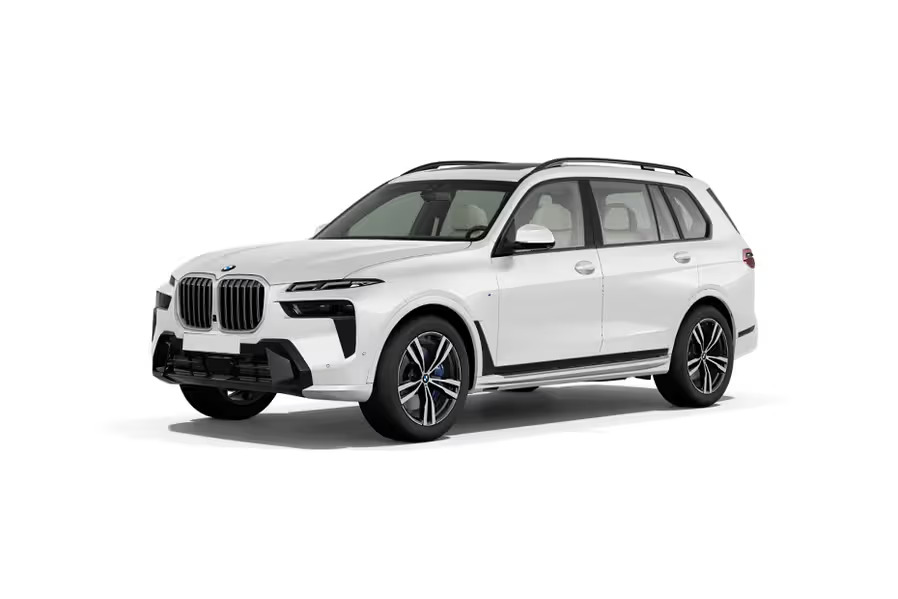
BMW X7

Rs. 1.31 – 1.35 Cr*

View Detail

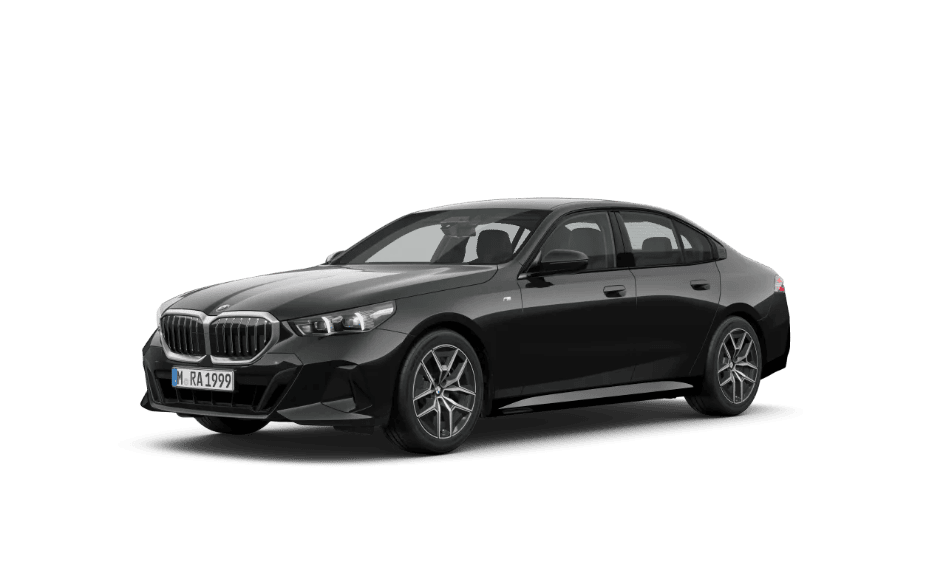
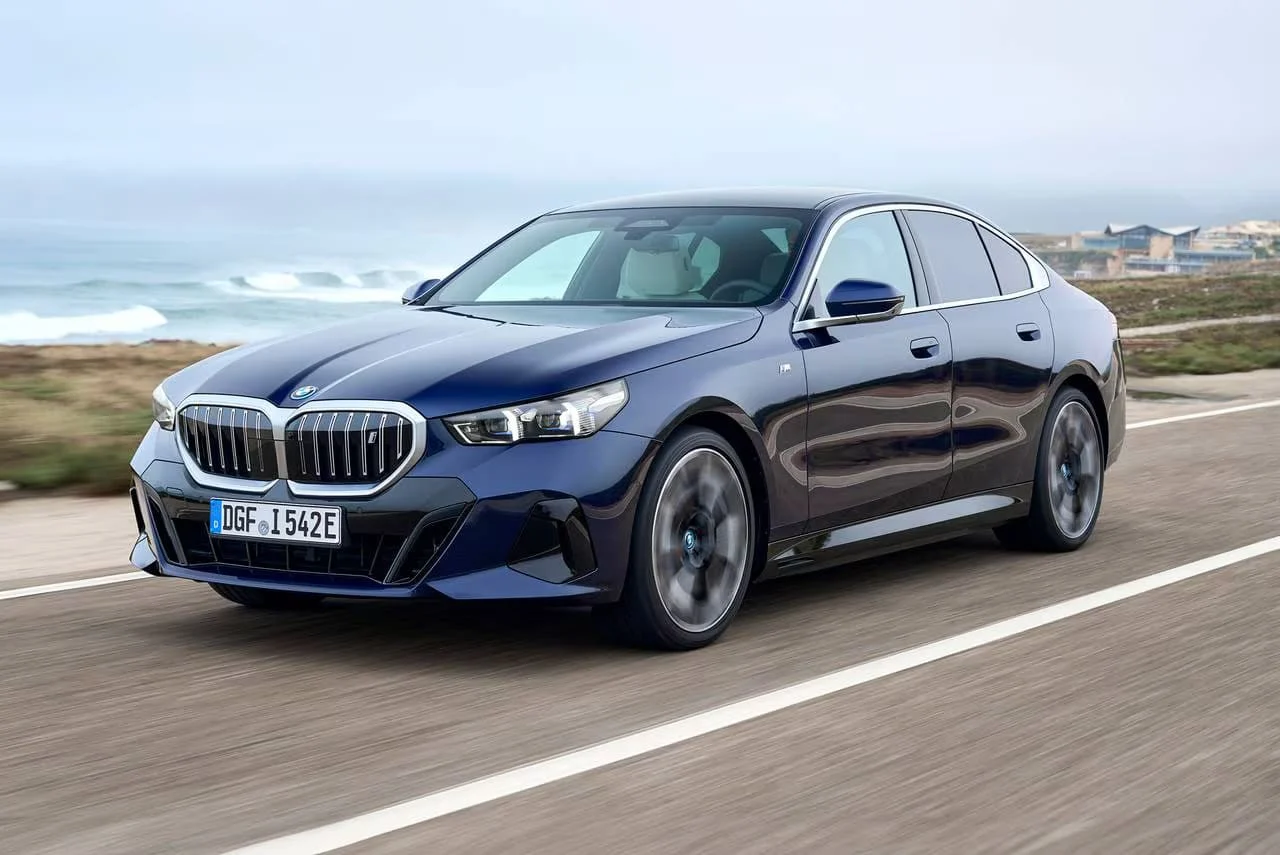
BMW 5 Series

Rs. 65 – ₹90 Lakh*

View Detail

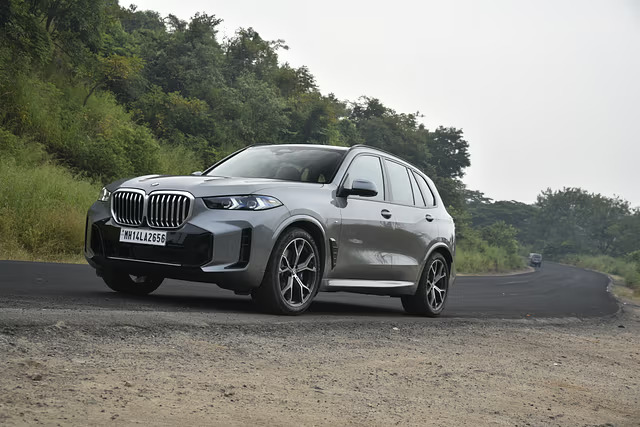
BMW X5

Rs. 96.00 Lakh* – 1.12 Cr*

View Detail

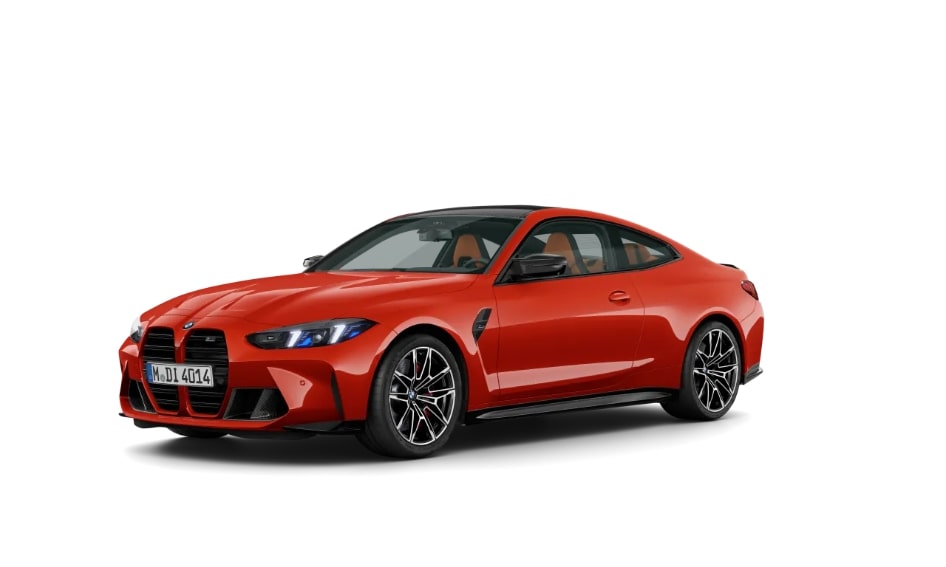
BMW M4

Rs. 1.56 Cr*

View Detail

BMW 2 Series Gran Coupe

Rs. 43.50 – 47.90 Lakh*

View Detail

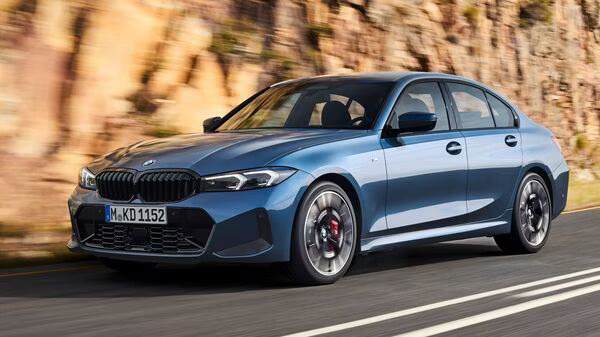
BMW M340i

Rs. 75.90 Lakh*

View Detail

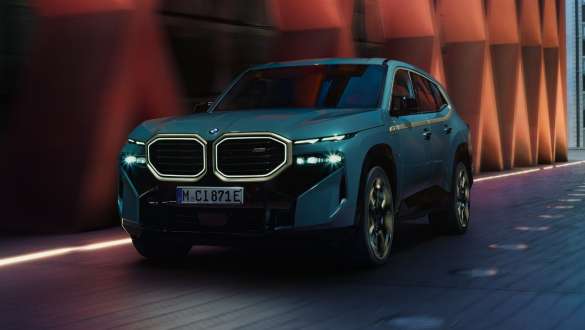
BMW XM

Rs. 2.60 Cr*

View Detail

BMW M5

Rs. 2.01 Cr*

View Detail

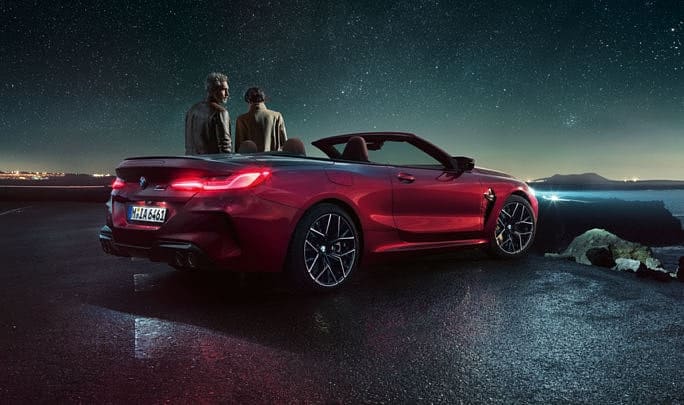
BMW M8

Rs. 2.15 – 2.60 Cr*

View Detail

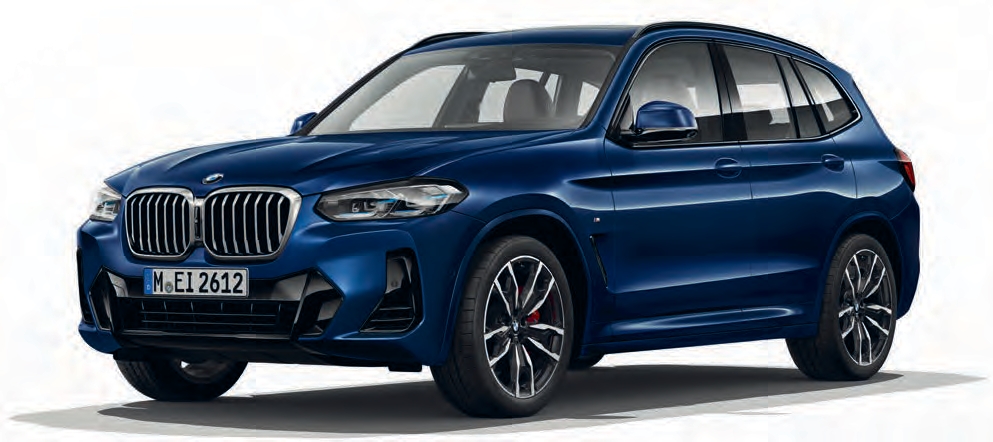
BMW X3

Rs. 75.80 – 77.80  Lakh*

View Detail

BMW X1

Rs. 49.50 – 54.50 Lakh*

View Detail

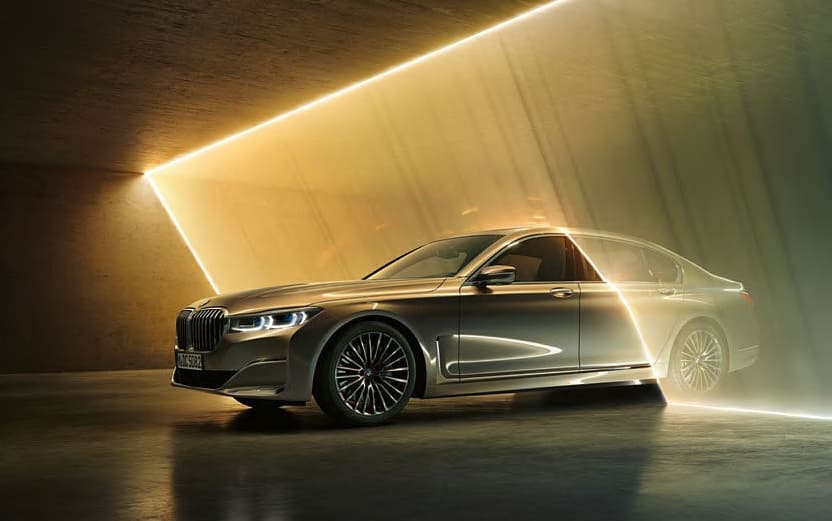
BMW 7 Series

Rs. 1.82 – 2.13 Cr*

View Detail

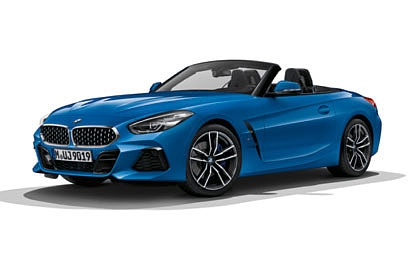
BMW Z4

Rs. 90.90 – 98.90 Lakh*

View Detail

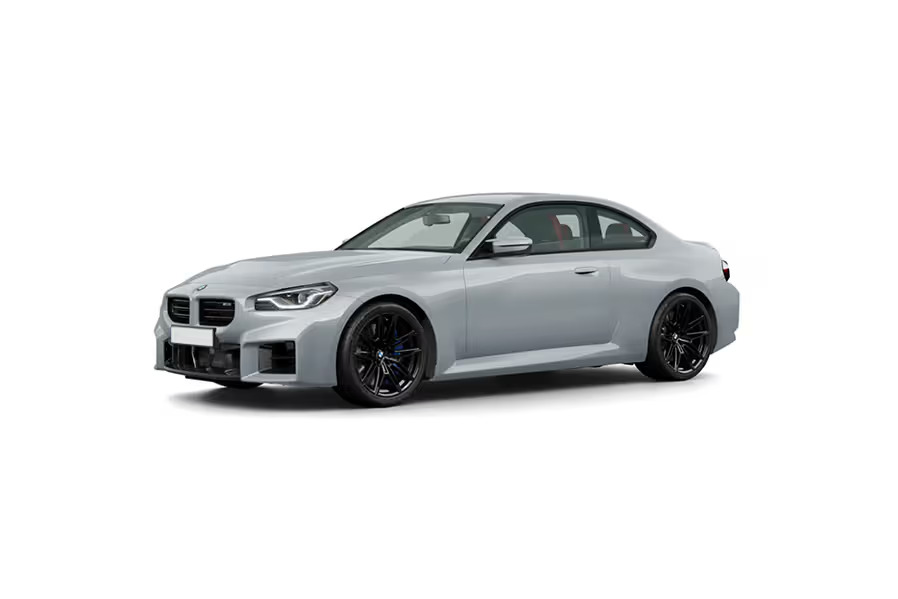
BMW M2

Rs. 1.03 Cr*

View Detail

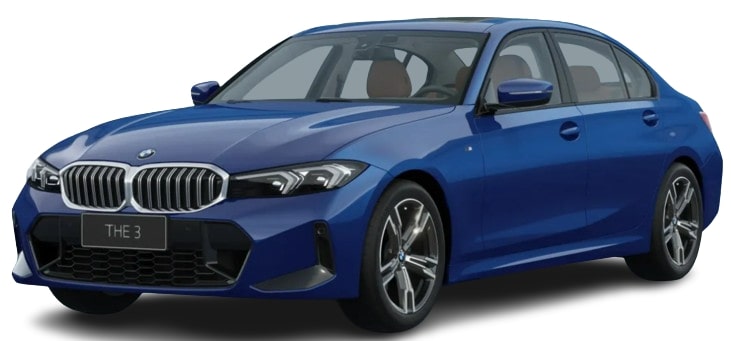
BMW 3 Series Gran Limousine

Rs. 60.60 – 62.00 Lakh*

View Detail

BMW 6 Series Gran Turismo

Rs. 73.50 – 79.90 Lakh*

View Detail

BMW IX

Rs. 1.25 – 2.05 Crore*

View Detail

BMW i7

Rs. 1.25 – 3.25 Crore*

View Detail

BMW i4

Rs. 72.50 – 85.00 Lakh*

View Detail

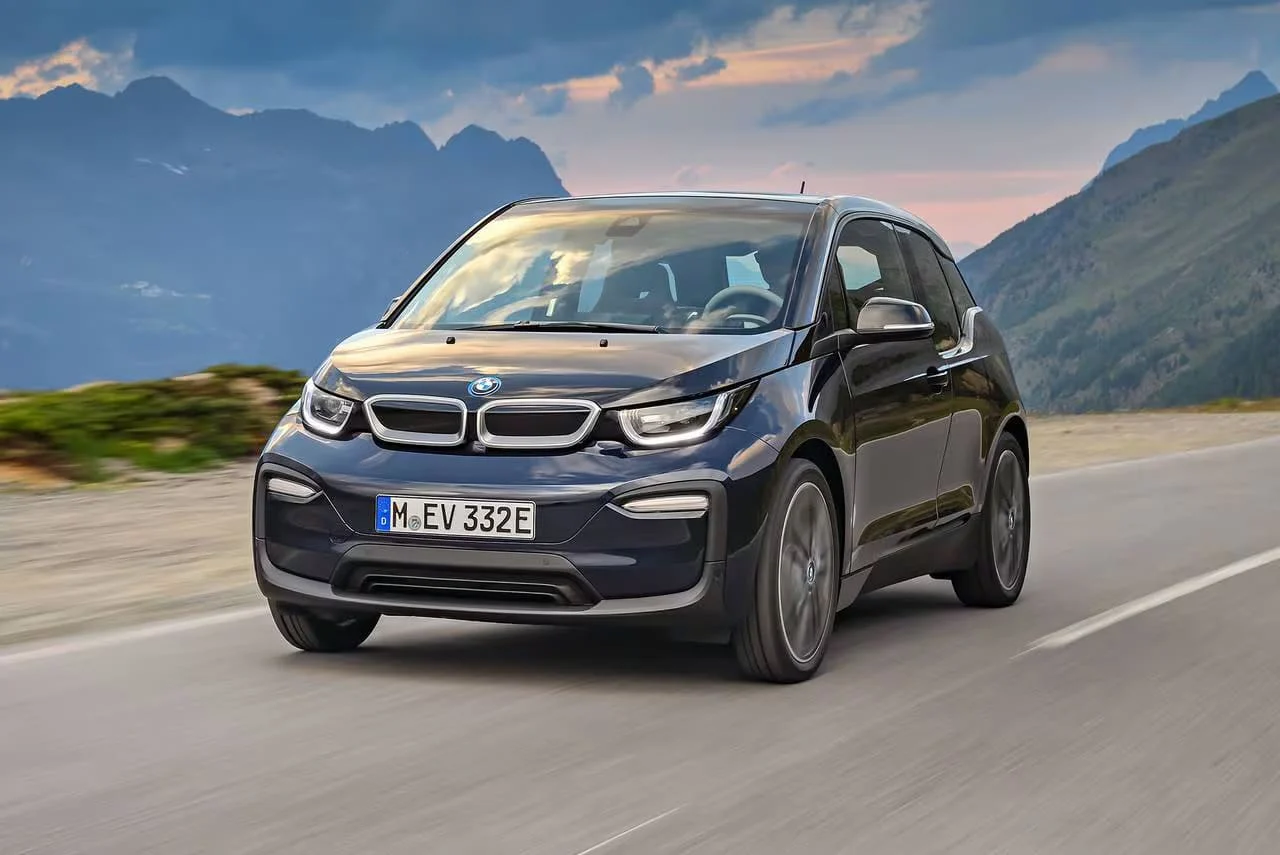
BMW i3

Rs. 1.00 – 1.20 Crore*

View Detail

BMW i5

Rs. 1.19 – 1.28 Crore*

View Detail

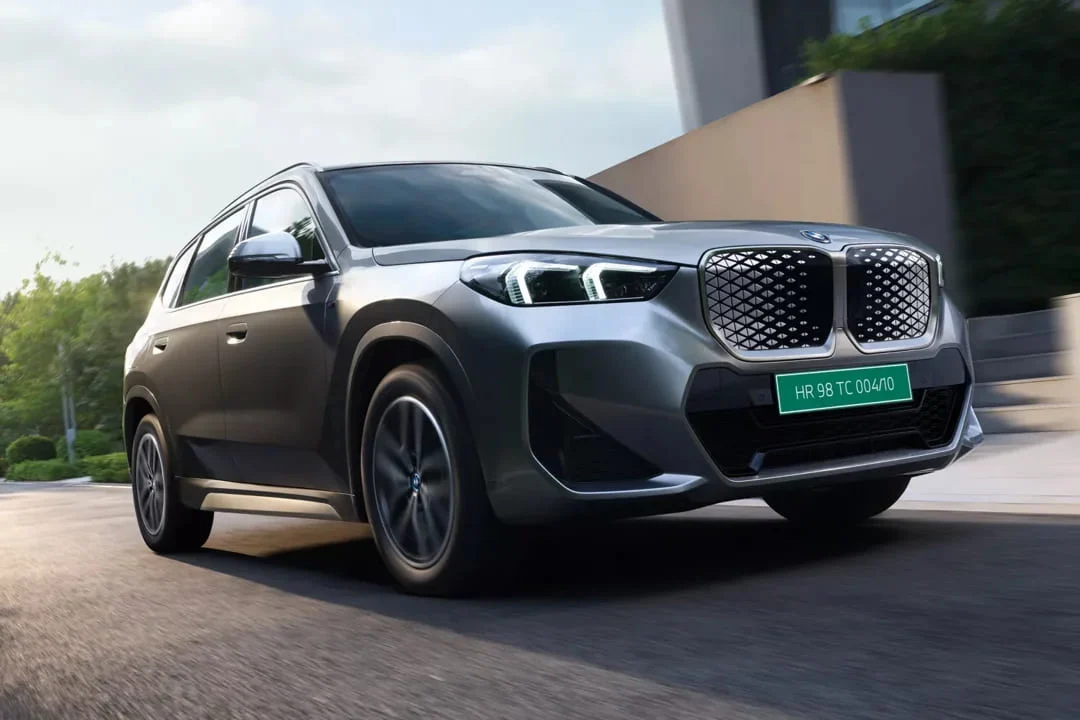
BMW iX1

Rs. 49.90 Lakh*

View Detail

Prices mentioned are ex-showroom and may vary based on city, dealer, and variant. Please check with the authorized BMW dealership for the latest offers.

BMW Sedans – How Different Models Feel in Everyday Driving

Spending time with BMW sedans makes it clear that they are not all meant for the same type of driver, even if they share a similar design language. A model like the BMW 5 Series feels composed and confidence-inspiring during long journeys, with a driving position and suspension setup that favour relaxed cruising. Smaller sedans in the range tend to feel more direct and responsive, especially in everyday traffic, where steering precision and balance become noticeable. This variation across the sedan lineup allows buyers to choose a BMW that matches how they actually drive, rather than forcing one driving style across all models.

BMW SUVs – Living With Size, Comfort and Road Presence

BMW SUVs often reveal their character after extended use rather than during short test drives. Models such as the BMW X5 combine a sense of stability with a driving position that feels commanding without being cumbersome in routine use. Smaller SUVs are generally easier to manage in tight spaces, while larger ones focus more on ride comfort and passenger space. Over time, factors like visibility, ease of entry and exit, and how the vehicle handles mixed driving conditions play a bigger role than sheer size alone, shaping the overall ownership experience.

BMW Performance and M Cars – When Driving Enjoyment Becomes the Priority

BMW’s performance-oriented cars are best understood through how they respond when pushed beyond normal driving conditions. Vehicles such as the BMW M4 are tuned to deliver sharper throttle response, firmer suspension behaviour, and a more connected steering feel, which becomes evident on open roads. While these cars remain usable in regular situations, their true appeal lies in moments that demand driver involvement. This makes them better suited to buyers who actively seek engagement behind the wheel rather than those focused purely on comfort.

BMW Electric Cars – Adapting to Quiet Performance and New Habits

Living with a BMW electric car highlights how the brand has translated its traditional driving traits into a quieter, more relaxed format. Models like the BMW iX1 feel responsive from a standstill and remain smooth during everyday use, reducing the effort required in stop-and-go conditions. Over time, owners tend to adapt to different driving rhythms, such as smoother acceleration and planned charging routines, which subtly change how the car fits into daily life. This shift in habits becomes an integral part of the overall EV ownership experience.

Things to Consider Before Buying a BMW

Before buying a BMW, it is worth reflecting on how the car will fit into your everyday routine rather than focusing only on brand image or performance figures. BMW models can differ significantly in ride comfort, driving involvement, and long-term running expectations, even within the same body style. Buyers should consider how often the car will be driven in dense traffic versus open roads, whether comfort or driver engagement matters more over time, and how ownership responsibilities such as servicing and maintenance align with their expectations. Exploring detailed model-specific information, such as for the BMW 3 Series or understanding how ownership differs with electric options like the BMW iX1, can help buyers make a decision that feels rewarding well beyond the initial purchase.

Frequently Asked Questions About BMW Cars

Are BMW cars suitable for daily driving, not just enthusiastic use?

BMW cars are often associated with driving enjoyment, but many models are designed to remain comfortable and manageable in everyday conditions. Daily usability depends largely on suspension setup, wheel size, and drivetrain choice rather than brand reputation alone. Buyers who prioritise ease of use in traffic and longer commutes should look closely at how a specific model behaves at low speeds and over uneven surfaces, as these factors shape daily comfort more than outright performance.

How much does driving style affect BMW ownership experience?

Driving style plays a noticeable role in how a BMW feels over time. Smooth, progressive driving tends to highlight the car’s balance and refinement, while aggressive inputs can make firmer models feel demanding in routine use. Understanding how you typically drive—relaxed, mixed, or spirited—can help determine whether a particular BMW will feel rewarding or tiring over long ownership.

What should buyers understand about BMW maintenance expectations?

BMW ownership often comes with higher expectations around maintenance discipline rather than constant repairs. Regular servicing, timely replacement of wear components, and adherence to recommended service schedules can significantly influence long-term satisfaction. Buyers who prefer a hands-off ownership approach may want to factor this into their decision before committing to a BMW.

Is choosing the right BMW model more important than choosing the right engine?

For many buyers, selecting the correct body style and driving character has a greater impact on satisfaction than engine output alone. A well-matched model that suits daily needs can feel more rewarding than a higher-powered option that does not align with regular usage. Comparing how different models are positioned—such as the BMW 5 Series for comfort versus more driver-focused alternatives—can clarify which direction suits your expectations best.

Do BMW electric cars change the overall ownership mindset?

Owning a BMW electric car often shifts focus away from engine behaviour toward planning, charging habits, and smoother driving patterns. Models like the BMW iX1 tend to feel effortless in daily use, but they also require owners to think differently about refuelling routines and trip planning. This adjustment is gradual and can feel natural for drivers who value convenience and predictability over traditional driving cues.

Automotive Highlights

Scroll to Top