+91-9646339590




What is Mahindra’s 2026 Pricing Strategy?
Mahindra & Mahindra has chosen to hold prices steady in early 2026, even as the broader automotive industry implements price hikes. This decision is driven by a combination of high localization, strong order pipelines, and operational efficiency, allowing the company to absorb cost pressures without immediately passing them on to customers.
Mahindra has not increased car prices in 2026 due to high localization, strong demand, and cost control strategies, making its SUVs more value-competitive in India.
In a market where price sensitivity remains high, this strategy strengthens Mahindra’s value positioning—especially in the mid-to-premium SUV segment where competition is intense.
No Price Hikes in 2026 — A Strategic Deviation from Industry Norms
The Indian passenger vehicle industry entered 2026 facing sustained cost pressures. Steel prices increased by approximately 8% year-on-year in 2025 (World Steel Association), while logistics and fuel costs rose between 5% and 7%. as reported across global automotive supply trends in 2025–2026 Semiconductor supply constraints continue to impact electronic component pricing, particularly in feature-rich vehicles.
In response, several automakers—including Maruti Suzuki, Hyundai, and Tata Motors—announced price hikes ranging from 2% to 4% in early FY2026. Mahindra’s decision to avoid such increases marks a clear deviation, positioning its SUVs as relatively better value in a rising-cost environment.
Why Mahindra Chose Price Stability
1. High Localization and Cost Control
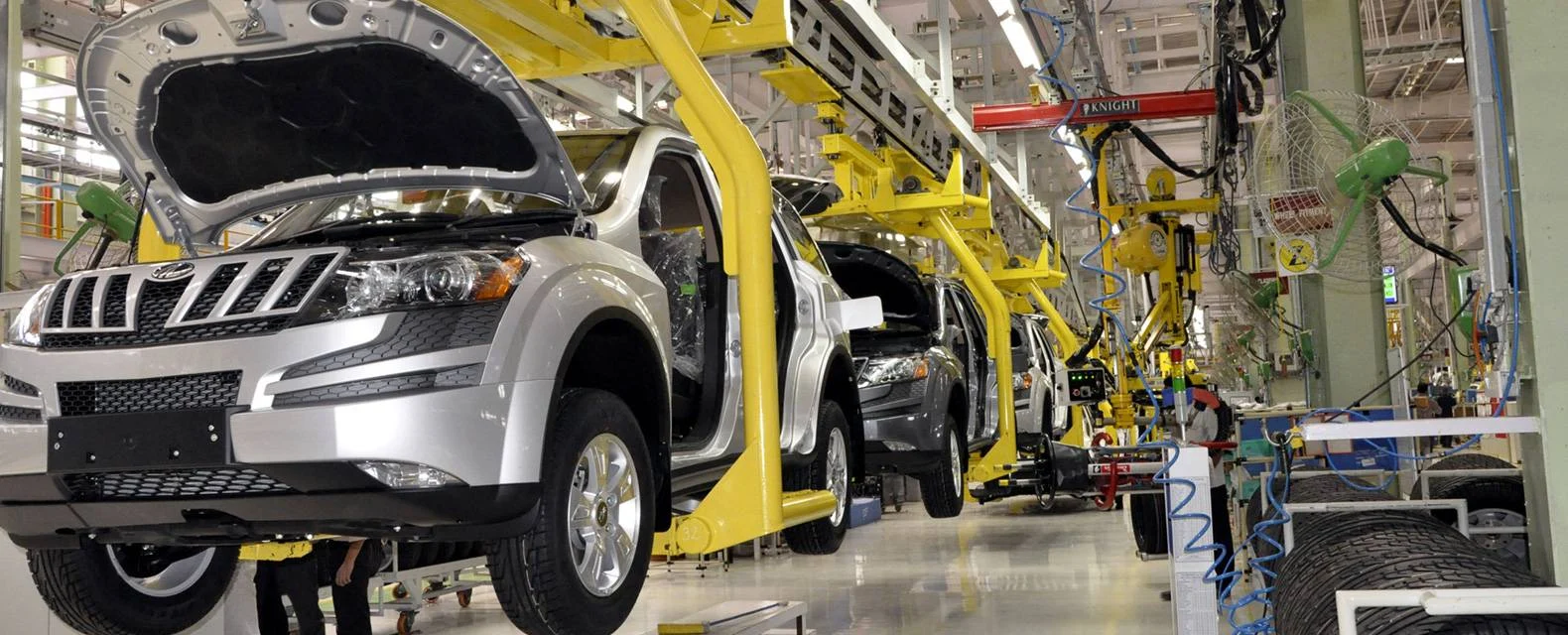
According to the Society of Indian Automobile Manufacturers (SIAM, 2025), localization levels for leading Indian SUVs exceed 85%. Mahindra’s investment in domestic sourcing reduces exposure to currency fluctuations and import duties, particularly for critical components such as powertrains and chassis systems.
This localized ecosystem enables tighter cost control, allowing Mahindra to absorb fluctuations in global commodity prices more effectively than manufacturers reliant on imports.
2. Strong Demand and Waiting Period Economics
Models like the Scorpio-N and XUV700 continue to experience high demand, with waiting periods extending several months in certain regions. This demand-supply imbalance allows Mahindra to maintain pricing without relying on discounts or incentives.
From a business perspective, strong booking pipelines improve production planning and reduce inventory risks, supporting profitability even without price increases.
3. Margin Strategy and Long-Term Positioning
By holding prices, Mahindra is effectively accepting short-term margin compression. Rising raw material costs—estimated at 8–10% YoY in FY2025—directly impact operating margins. However, the company appears to be prioritizing volume growth and market share expansion over immediate margin protection.
This approach aligns with a longer-term strategy of strengthening brand equity in the SUV segment, where repeat purchases and customer perception play a critical role.
Industry Context: Cost Pressures in 2026
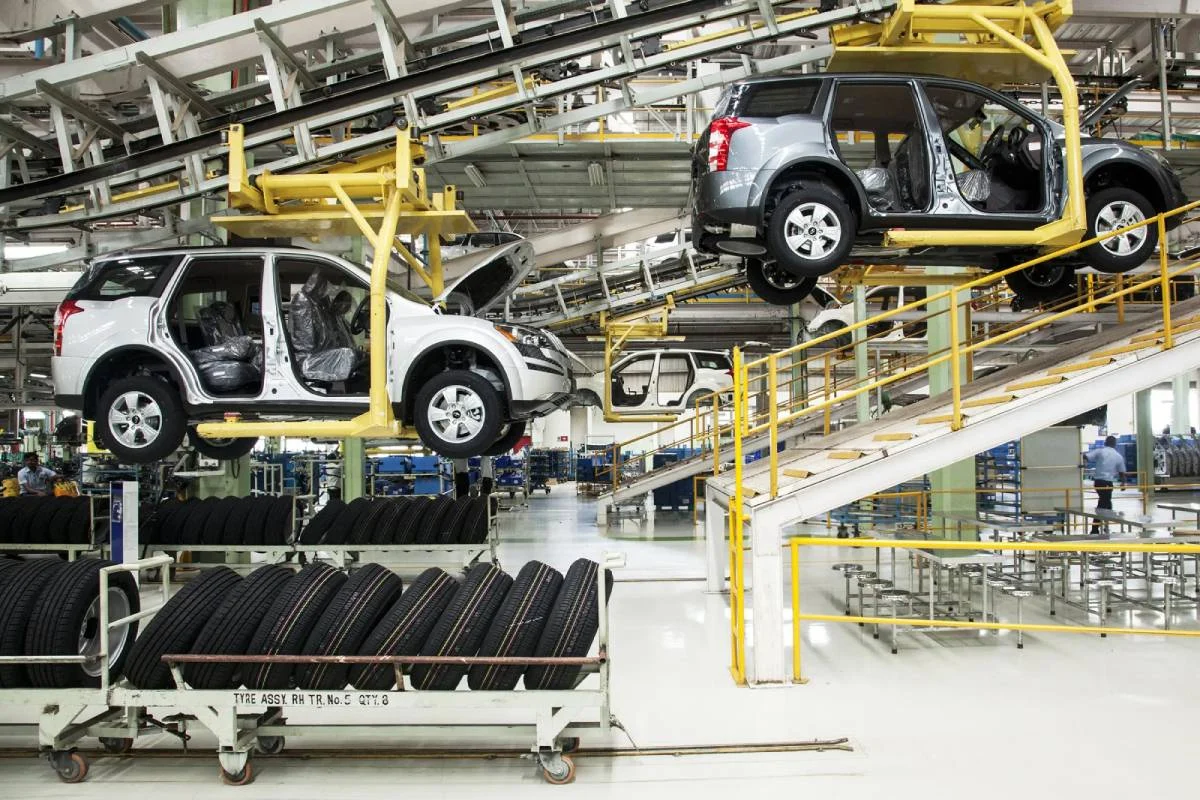
– Steel prices: ~8% YoY increase (2025)
– Logistics costs: up 5–7% due to fuel volatility
– Semiconductor costs: elevated due to supply constraints
– Regulatory compliance costs rising with safety and emission updates
These factors collectively explain why most OEMs opted for price revisions, making Mahindra’s decision operationally significant.
On-Road Price Overview (Punjab – 2026)
Disclaimer: Prices are indicative and may vary by city, dealer, and optional packages.
Mahindra Scorpio-N
Z2 Petrol MT: ₹16.5 – ₹17.8 lakh
Z4 Diesel MT: ₹19 – ₹21 lakh
Z8L Diesel AT 4WD: ₹27 – ₹29 lakh
Mahindra XUV700
MX Petrol MT: ₹17 – ₹18.5 lakh
AX5 Diesel AT: ₹22 – ₹24 lakh
AX7L AWD Diesel AT: ₹28 – ₹31 lakh
Mahindra Thar
AX Petrol MT: ₹14.5 – ₹16 lakh
LX Diesel AT 4WD: ₹18 – ₹20 lakh
Scorpio-N vs XUV700: Detailed Comparison
Powertrain & Performance
| Specification | Scorpio-N | XUV700 |
|---|---|---|
| Engine Options | 2.0L Turbo Petrol / 2.2L Diesel | 2.0L Turbo Petrol / 2.2L Diesel |
| Max Power | 200 PS | 200 PS |
| Torque Output | Up to 380 Nm | Up to 450 Nm (Diesel AT) |
| Drive Layout | RWD / 4WD (Low-range) | FWD / AWD |
| Platform | Ladder-frame chassis | Monocoque construction |
Features & Technology
| Feature | Scorpio-N | XUV700 |
|---|---|---|
| ADAS | No | Level 2 (Adaptive Cruise, Lane Keep Assist) |
| Infotainment | 8-inch touchscreen | Dual 10.25-inch screens |
| Connected Tech | Basic | AdrenoX with Alexa, OTA updates |
| Sunroof | Single-pane | Panoramic |
| Airbags | 6 | Up to 7 |
Safety Analysis
Safety performance has become a key differentiator in India’s SUV market. The XUV700 has achieved a 5-star Global NCAP rating, with adult occupant protection exceeding 90%, placing it among the safest vehicles in its segment.
The Scorpio-N, evaluated under Bharat NCAP frameworks, demonstrates strong structural integrity, particularly in frontal and side-impact scenarios. Its ladder-frame construction has been engineered to improve crash energy absorption compared to previous generations.
The Thar, while rated lower, benefits from improved safety reinforcements and stability control systems, making it significantly safer than earlier off-road-focused SUVs.
Real-World Performance Tests
0–100 km/h Acceleration
XUV700 Petrol AT: ~8.5 seconds
Scorpio-N Petrol AT: ~9.8 seconds
Thar Diesel MT: ~12.5 seconds
Braking Performance (100–0 km/h)
XUV700: ~38 meters
Scorpio-N: ~40–42 meters
Thar: ~44 meters
Real-World Fuel Efficiency
XUV700 Diesel: 14–16 km/l
Scorpio-N Diesel: 13–15 km/l
Thar Diesel: 12–14 km/l
Driving Experience and Use Case
The XUV700 delivers a refined driving experience with superior ride comfort, lower NVH levels, and better highway dynamics due to its monocoque structure. It is well-suited for urban commuting and long-distance travel.
The Scorpio-N, built on a ladder-frame chassis, emphasizes durability and off-road capability. It offers better load-carrying ability and rugged performance, making it suitable for mixed terrain usage.
The Thar remains a specialized off-road vehicle, prioritizing terrain capability over everyday comfort.
What This Means for Buyers in 2026
Mahindra’s decision not to increase prices creates a temporary advantage for buyers. While competing SUVs become more expensive, Mahindra’s offerings effectively deliver higher value at the same price point.
For buyers comparing options in the ₹15–30 lakh segment, this pricing stability can translate into better feature access without additional cost, particularly in higher variants.
Strategic Risk: Can Mahindra Sustain This?
While the strategy strengthens demand, it introduces margin pressure. If raw material costs continue to rise through 2026, Mahindra may need to implement selective price adjustments or reconfigure variant offerings.
Sustainability will depend on commodity trends, production efficiency, and demand consistency in the coming quarters.
Market Impact
By maintaining stable prices, Mahindra strengthens its position as a value-focused premium SUV manufacturer. In a price-sensitive market like India, even modest price differences influence purchasing decisions significantly.
This strategy could also pressure competitors to offer discounts or enhance feature packages to remain competitive.
Key Takeaways
- Mahindra has avoided price hikes despite rising industry costs
- High localization helps control input cost volatility
- XUV700 leads in safety, technology, and performance
- Scorpio-N offers superior ruggedness and off-road capability
- Strategy enhances value perception but may impact margins
FAQs
Why has Mahindra not increased prices in 2026?
Mahindra is leveraging localization, strong demand, and operational efficiency to absorb rising costs instead of passing them to customers.
Which Mahindra SUV offers the best value?
The XUV700 provides the best overall value due to its combination of safety, performance, and advanced technology features.
Is now a good time to buy a Mahindra SUV?
Yes, stable pricing in a rising-cost market makes 2026 a favorable time for buyers.
How does Scorpio-N compare with XUV700?
Scorpio-N is better suited for rugged and off-road use, while XUV700 excels in comfort, technology, and highway performance.
Will Mahindra increase prices later in 2026?
Future price changes will depend on commodity trends and market conditions. Sustained cost increases may lead to selective adjustments.
About the Author
Ankush Kumar is an automotive content specialist with over 5 years of experience covering global car markets, hybrid technologies, and EV ecosystem developments. His work focuses on translating complex automotive engineering concepts into practical insights for Indian buyers.
He has analyzed vehicle platforms, powertrain systems, and real-world usability trends across multiple brands. His content emphasizes data-backed evaluation, regulatory awareness, and ownership practicality.