+91-9646339590



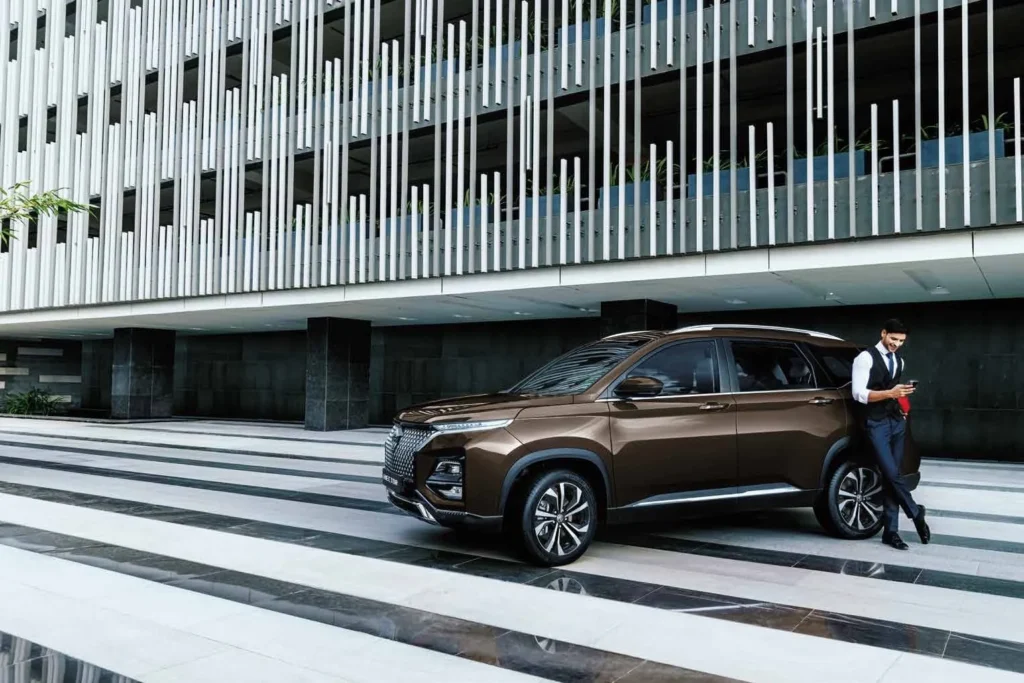
As India’s automotive market steadily transitions toward electrification while sustaining strong demand for feature-rich SUVs, MG Motor India continues to position itself as a technology-led, premium challenger brand. Although no blanket 2026 price revision has been officially declared, industry-wide cost variables — including commodity fluctuations, regulatory updates, logistics normalization, and EV battery economics — are expected to influence pricing across segments.
For buyers in 2026, the decision framework extends beyond ex-showroom price. A rational purchase evaluation should consider:
- Total Cost of Ownership (TCO)
- Fuel vs. electricity running cost comparison
- Warranty and long-term maintenance exposure
- Depreciation and resale outlook
- Feature-to-price competitiveness
- Technology and safety differentiation
This guide delivers a structured, data-oriented ownership analysis designed to help buyers make financially sound decisions.
Current MG Portfolio in India (2026 Lineup Overview)
Internal Combustion Engine (ICE) Models
- MG Hector – Mid-size SUV
- MG Hector Plus – 6/7-seater variant
- MG Astor – Compact SUV
- MG Gloster – Full-size ladder-frame SUV
Electric Vehicle (EV)
- MG ZS EV – Premium electric SUV
Indicative 2026 Price Positioning (Ex-Showroom Estimates)
Note: Prices vary by city and variant. The following ranges reflect late-2025 market positioning trends and segment benchmarks.
- MG Astor: ₹10.5 – ₹18 lakh
- MG Hector: ₹14 – ₹22 lakh
- MG Hector Plus: ₹16 – ₹23 lakh
- MG Gloster: ₹38 – ₹43 lakh
- MG ZS EV: ₹18 – ₹25 lakh
MG generally competes on feature density and premium cabin experience rather than entry-level pricing aggression.
Technical Architecture & Engineering Overview
MG Hector / Hector Plus
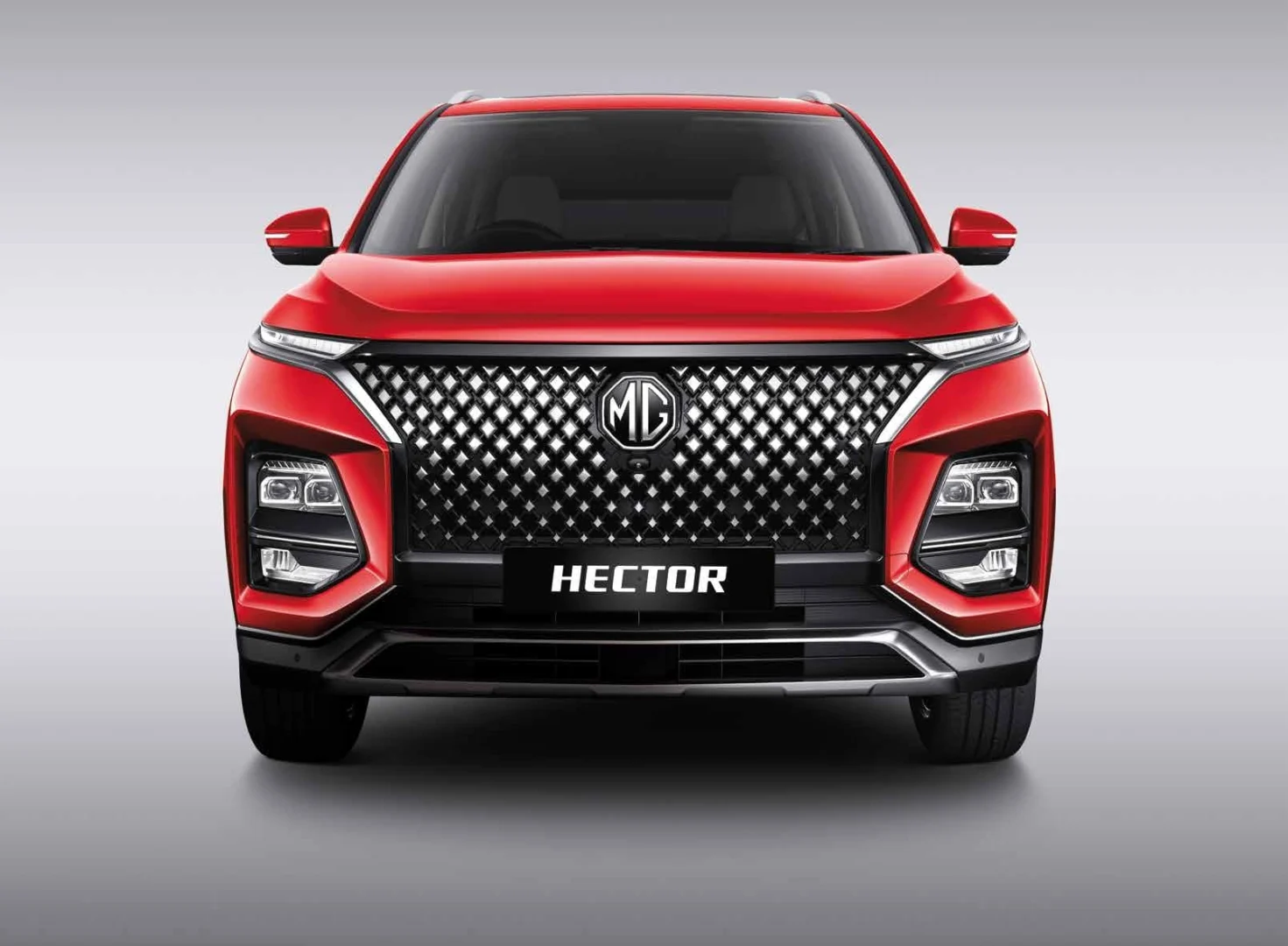
Engine: 1.5L turbocharged petrol
Transmission: 6-speed manual / CVT
Power Output: Approx. 143 PS
Key Engineering Highlights:
- 14-inch HD infotainment touchscreen
- Level 2 ADAS (select variants)
- Long wheelbase for superior rear legroom
- Ventilated front seats
Strategic Positioning: A comfort-first SUV designed for urban families prioritizing technology and cabin space over sporty dynamics.
MG Astor
Engine Options:
- 1.5L naturally aspirated petrol
- 1.3L turbo petrol
Power Output Range: Approx. 110–140 PS
Key Differentiators:
- Advanced Driver Assistance Systems (ADAS)
- AI-enabled infotainment assistant
- Premium interior materials in higher trims
Market Position: Competes in the compact SUV segment where technology and perceived premium value influence buying decisions.
MG Gloster
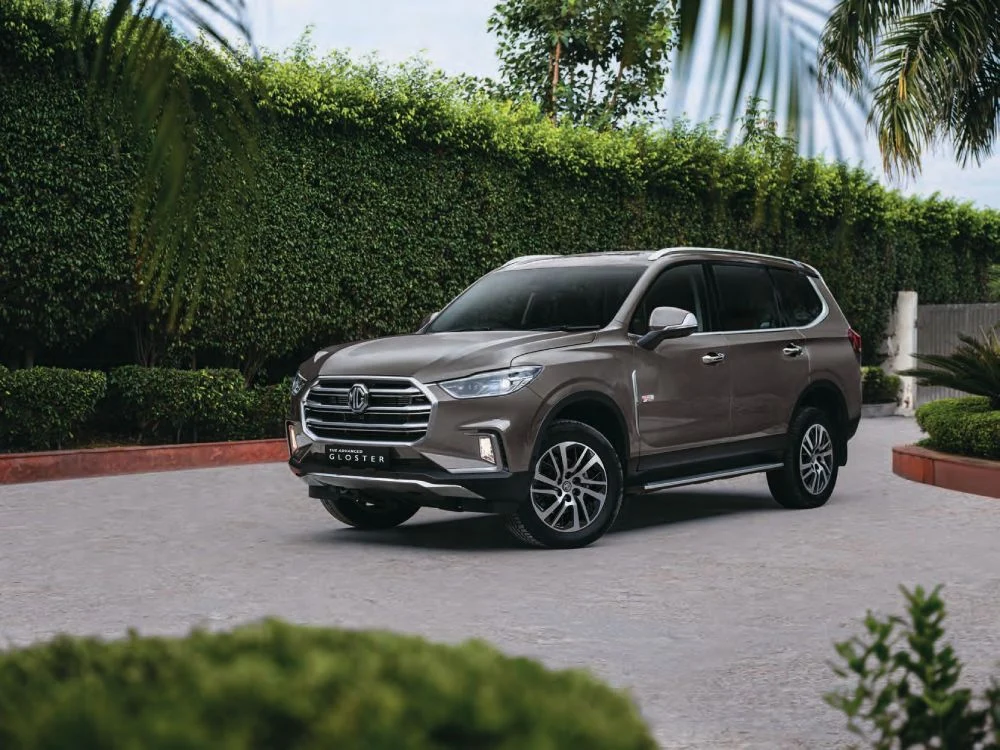
Engine: 2.0L twin-turbo diesel
Transmission: 8-speed automatic
Drivetrain: 4×2 and 4×4 options
Structural Advantage:
- Body-on-frame construction
- Selectable terrain modes
- Large road presence and high ground clearance
Strategic Buyer Profile: Suited for long-distance touring, highway comfort, and occasional off-road usage.
MG ZS EV

Battery Pack: ~50.3 kWh lithium-ion
Claimed Range: ~450 km (ARAI-certified)
Motor Output: Approx. 176 PS
Charging Capabilities:
- AC home charging: 8–9 hours (0–100%)
- DC fast charging: ~60 minutes (0–80%)
EV Positioning: Designed for urban commuters seeking lower operating cost and reduced environmental impact.
Total Cost of Ownership (5-Year Projection Model)
Running Cost Comparison (Illustrative Example)
Assumptions:
- Annual driving: 15,000 km
- Petrol price: ₹105/litre
- Electricity cost: ₹8/unit
Petrol SUV (13 km/l efficiency):
Cost per km ≈ ₹8.07
Annual fuel cost ≈ ₹1.21 lakh
5-year fuel cost ≈ ₹6.05 lakh
Electric SUV (6 km/kWh efficiency):
Cost per km ≈ ₹1.33
Annual electricity cost ≈ ₹20,000
5-year electricity cost ≈ ₹1 lakh
5-Year Running Cost Difference: Approx. ₹5 lakh savings in favor of EV (before insurance and tax adjustments).
Maintenance Considerations
- ICE vehicles require periodic oil, filter, and clutch maintenance.
- EVs eliminate engine oil, gearbox fluid (in traditional sense), and multiple mechanical components.
- EV brake wear may reduce due to regenerative braking.
Over five years, EV maintenance costs are generally 20–40% lower than comparable petrol SUVs.
Warranty & Coverage Structure
- Standard vehicle warranty typically 3 years / 1 lakh km (varies by model and scheme).
- EV battery warranty commonly extends up to 8 years (policy dependent).
- Extended warranty and prepaid service packages available.
Warranty coverage plays a crucial role in protecting long-term ownership economics, especially in EV adoption decisions.
Resale & Depreciation Outlook (2026–2031)
ICE Models: Expected 45–55% residual value after 5 years, depending on variant and condition.
EV Models: Residual value sensitive to battery health, charging infrastructure expansion, and technological evolution.
As EV adoption rises in urban India, secondary market confidence in electric SUVs is likely to strengthen gradually.
Competitive Landscape Analysis
Across segments, MG competes with established brands known for pricing aggression and extensive dealer networks.
- Feature-loaded approach vs value-focused brands
- Early ADAS adoption in mid-segments
- Strong infotainment integration
- Premium interior positioning strategy
MG’s differentiation lies in delivering high technology density at competitive mid-premium pricing rather than lowest-entry price positioning.
Strategic Buyer Recommendations
Choose MG Hector / Hector Plus If:
- You prioritize spacious cabin layout and digital infotainment.
- You need a comfortable family-oriented SUV.
Choose MG Astor If:
- You want ADAS in a compact SUV segment.
- You value premium feel over base-price advantage.
Choose MG Gloster If:
- You require 4×4 capability and ladder-frame durability.
- You prefer long-distance highway comfort with strong road presence.
Choose MG ZS EV If:
- You drive primarily in urban conditions.
- You have access to reliable charging infrastructure.
- You seek long-term running cost savings.
Final Industry Perspective
In 2026, purchasing strategy should focus less on short-term price fluctuations and more on usage alignment, long-term cost planning, and technology relevance.
MG Motor India’s SUV portfolio remains strategically positioned for buyers seeking technology-rich vehicles across both ICE and EV categories. Buyers who conduct a structured cost-of-ownership evaluation — rather than focusing solely on ex-showroom pricing — are more likely to maximize value over a five-year ownership cycle.
Careful financial comparison, realistic usage assessment, and warranty evaluation remain the cornerstone of a smart automotive purchase decision.
About the Author
Ankush Kumar is an automotive content specialist with over 5 years of experience covering global car markets, hybrid technologies, and EV ecosystem developments. His work focuses on translating complex automotive engineering concepts into practical insights for Indian buyers.
He has analyzed vehicle platforms, powertrain systems, and real-world usability trends across multiple brands. His content emphasizes data-backed evaluation, regulatory awareness, and ownership practicality.