Home » Hatchback Cars
Explore Hatchback Cars by Brand & Fuel Type
- TATA
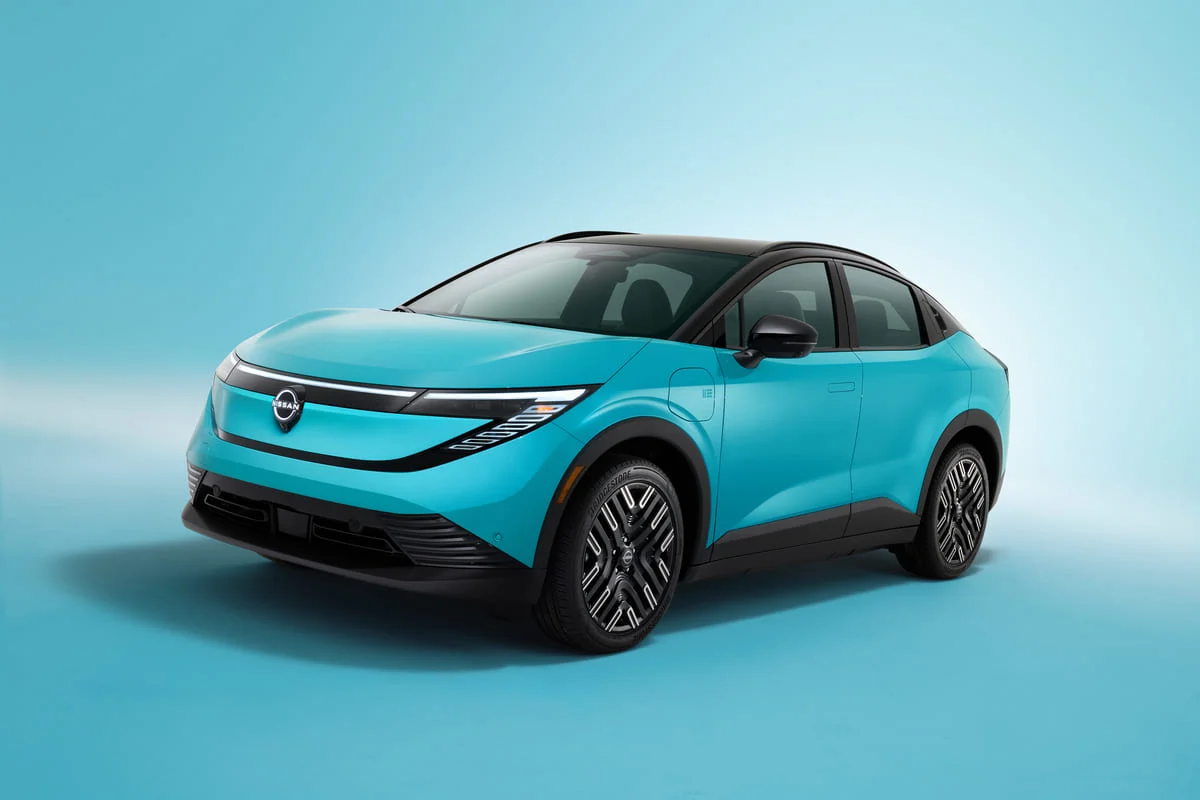
- Nissan
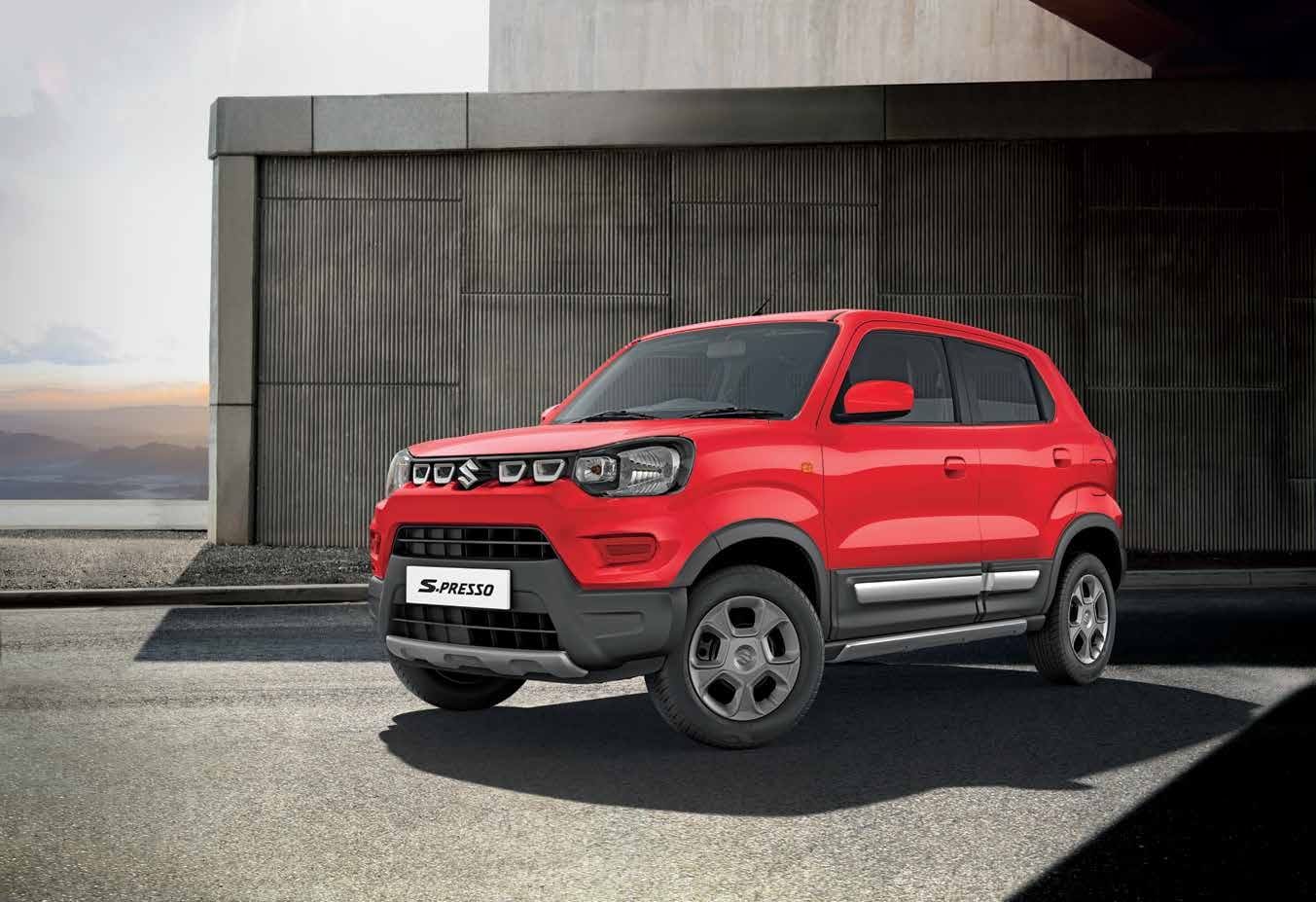
- Maruti Suzuki
- Toyota
- Volkswagen
- Hyundai
- Renault
- MG
Tata does not offer any Hybrid in India
Nissan does not offer any Fuel type Hatchback in India
Nissan does not offer any Hybrid Hatchback in India
Nissan does not offer any manual Hatchback in India
Maruti does not offer any Hybrid Hatchback in India
Toyota does not offer any Electric Hatchback in India
Toyota does not offer any automatic Hybrid in India
Toyota does not offer any automatic Hatchback in India
volkswagen does not offer any Electric Hatchback in India
volkswagen does not offer any Hybrid Hatchback in India
volkswagen does not offer any Manual Hatchback in India
Hyundai does not offer any Electric Hatchback in India
Hyundai does not offer any Hybrid Hatchback in India
Hyundai does not offer any Automatic Hatchback in India
Renault does not offer any Electric Hatchback in India
Renault does not offer any Hybrid Hatchback in India
Renault does not offer any Automatic Hatchback in India
MG does not offer any fuel type Hatchback in India
MG does not offer any Hybrid Hatchback in India
MG does not offer any Manual Hatchback in India
Key Points to Remember Before Choosing a Hatchback
- Always check crash-test ratings and essential safety features instead of choosing only by price or looks.
- Pick the right variant — skipping important features now often becomes more expensive to fix later.
- If you drive on highways occasionally, make sure the car feels stable at speed and has strong braking performance.
- Compare service intervals and spare-part costs; low purchase price doesn’t always mean low ownership cost.
- Look for brands with a nearby authorised service centre — convenience matters more than most people realise.
- Estimate insurance and extended-warranty costs in advance to understand the real yearly expense.
- Think about how much luggage or passengers you carry regularly — practicality should match your everyday life.
- Take a proper test drive in traffic and on an open stretch to see how comfortable it feels in real situations.
Which hatchback Car Should You Buy? (Quick Suggestions)
Hatchbacks can look very similar on the surface, but they’re designed for different kinds of drivers. Instead of comparing only features or discounts, think about where you drive most, how many people travel with you, and how much running you expect every month. The ideas below will help you shortlist faster and choose a hatchback that genuinely fits your routine.
Best Hatchbacks for Everyday City Driving
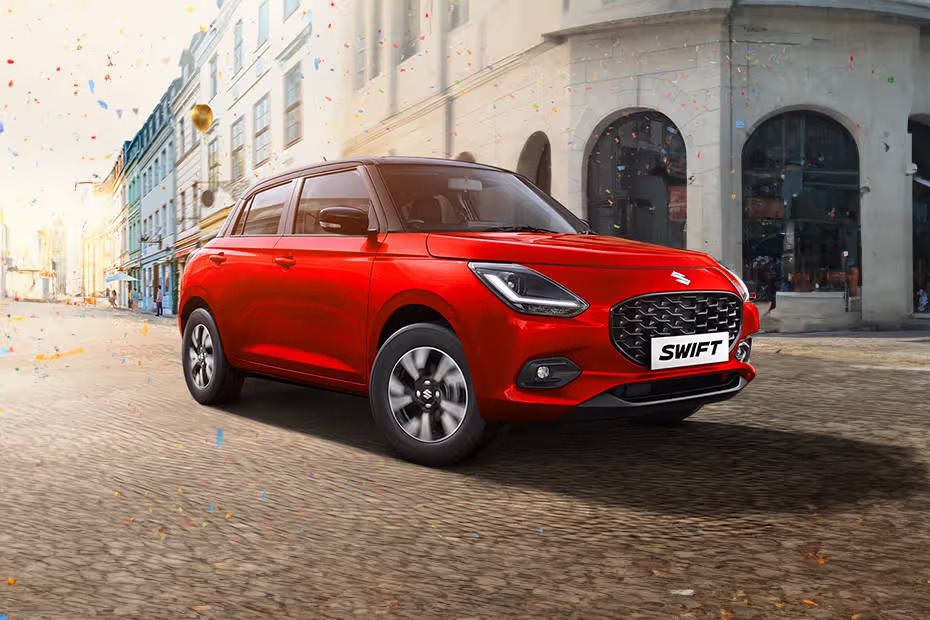
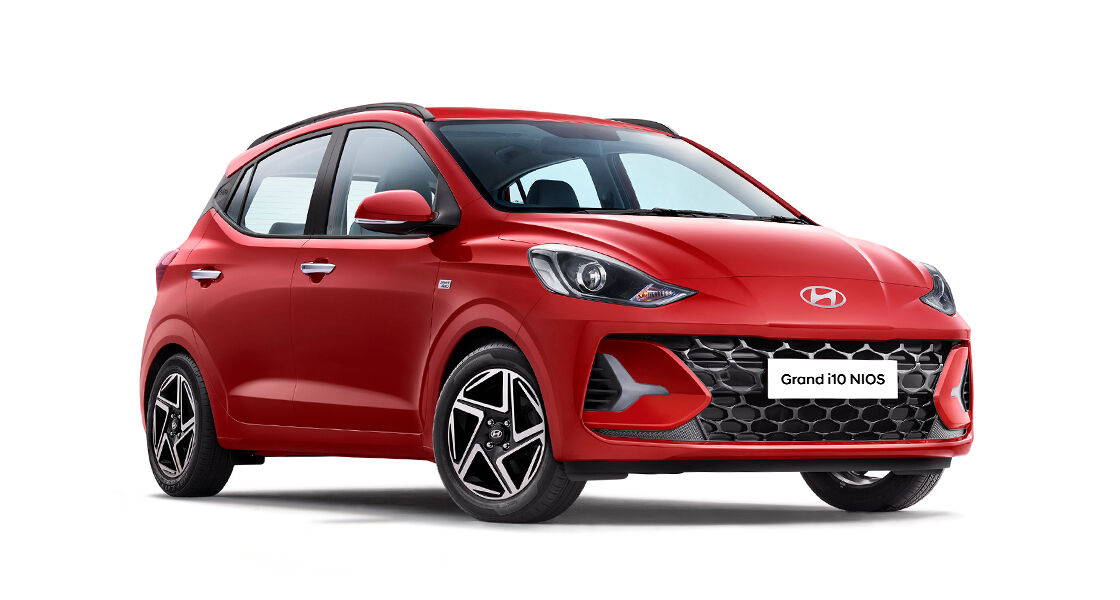
If your driving is mostly urban, choose a car that feels light, easy to park and smooth in stop–start traffic. Models like Maruti Swift and Hyundai Grand i10 Nios deliver good efficiency with simple ownership.
Best Hatchbacks for Small Families
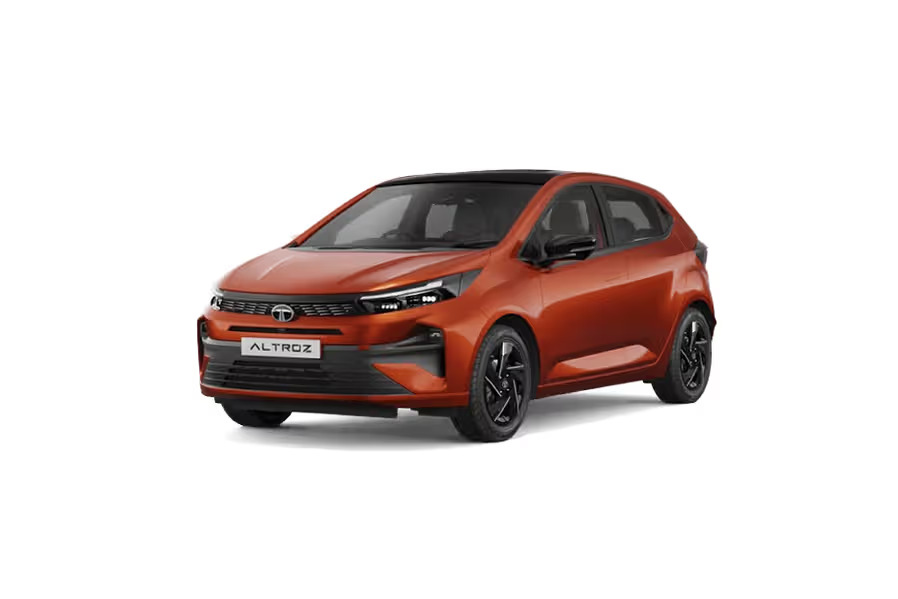
Families who want a bit more cabin space and better highway stability should look at slightly larger premium hatchbacks. Options such as Tata Altroz and Hyundai i20 offer comfortable seating with strong safety equipment.
Best Hatchbacks for First-Time Car Buyers
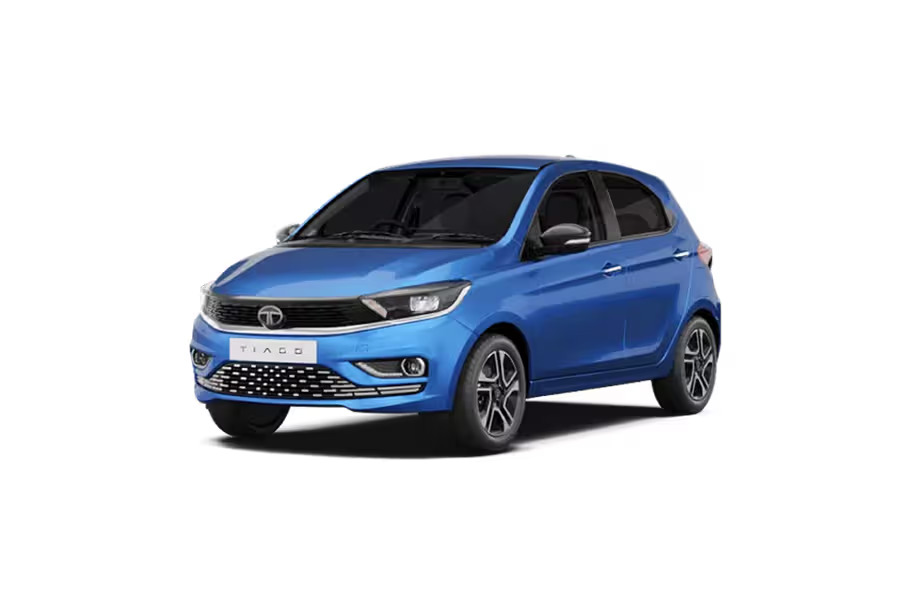
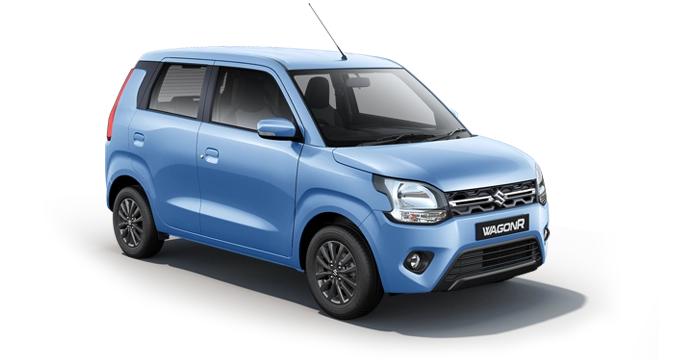
If this is your first car, low maintenance, good resale and easy drivability matter more than fancy features. Cars like Maruti WagonR and Tata Tiago are practical, affordable to maintain and simple to live with.
Best Hatchbacks for Highway-Friendly Use
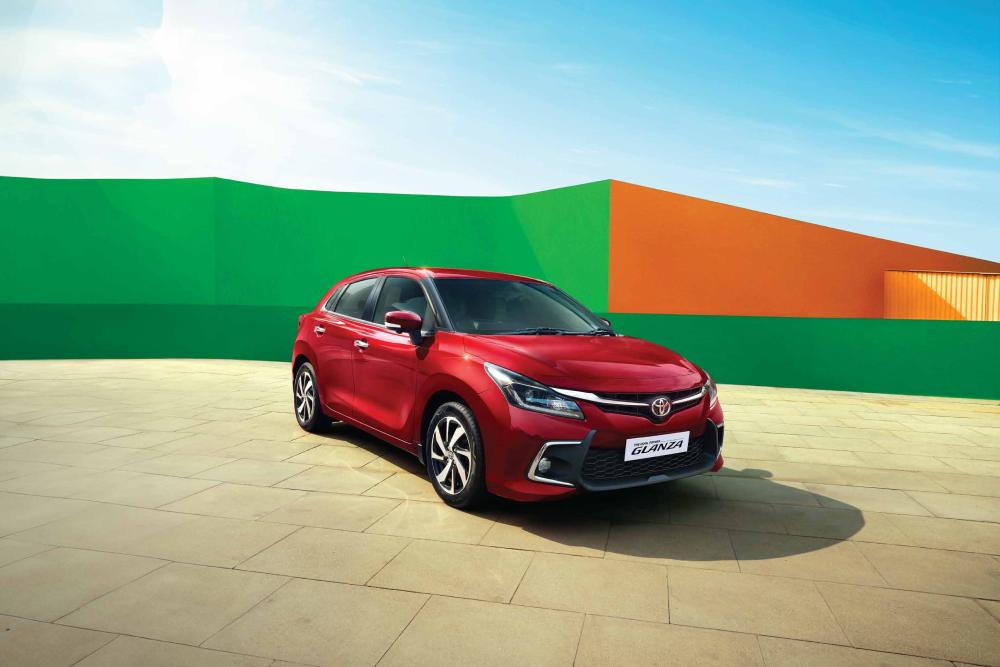
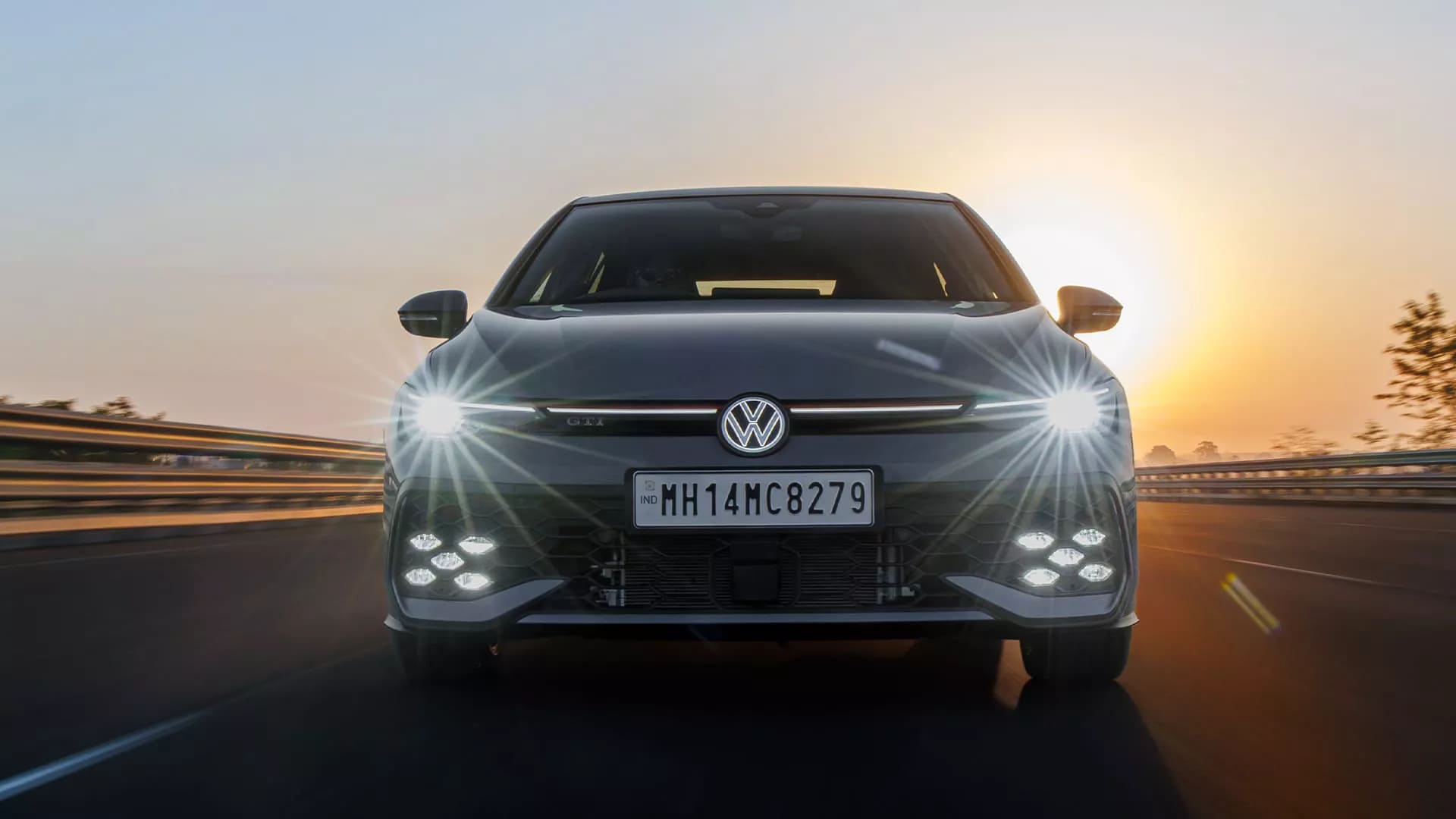
For drivers who take occasional long trips, choose a hatchback with a stable chassis and comfortable seats. Models such as Volkswagen Polo (where available) and Toyota Glanza feel more composed at higher speeds.
Best Automatic Hatchbacks for Traffic
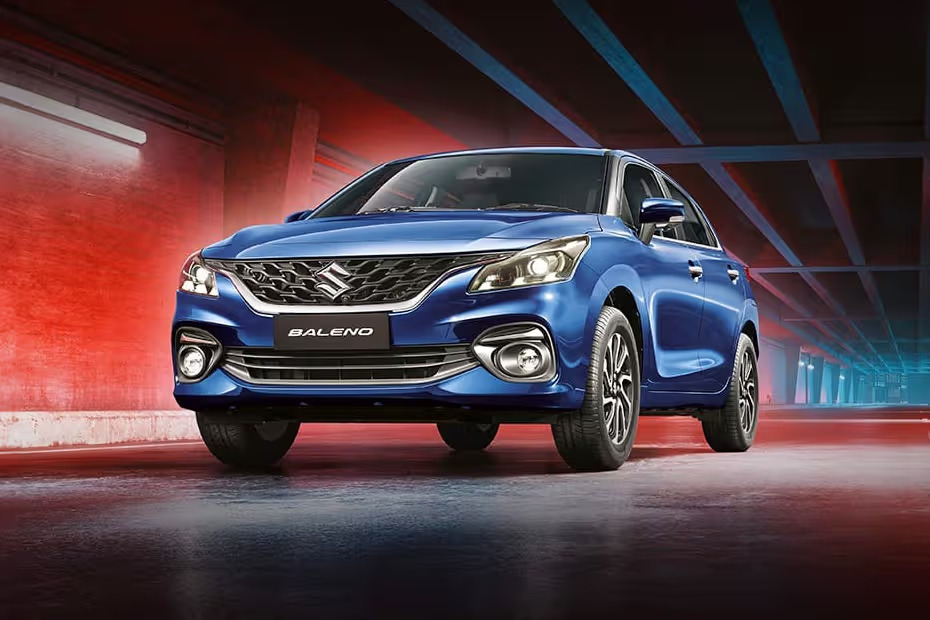
If daily commutes involve heavy congestion, an automatic gearbox can make driving far less tiring. Consider Maruti Baleno (AMT/CVT options) or Hyundai i20 with automatic choices for a smoother city experience.
Petrol vs CNG vs Electric — Which Hatchback Makes Sense?
Your fuel choice should match real usage, not trends. Petrol hatchbacks are smooth, quiet and ideal for short, frequent trips. CNG suits buyers who drive more but still want low running costs, as long as they’re comfortable with slightly reduced boot space. Electric hatchbacks like Tata Tiago EV are great for city users with home charging access and predictable daily distances. If you plan to keep the car longer, calculating yearly fuel costs vs upfront price often reveals the most sensible option.
Final Tip
Shortlist with your daily life in mind, test-drive calmly, and compare total ownership costs — not just the price on the brochure. A well-chosen hatchback quietly does its job every single day, without stretching your finances.
Popular Hatchback Cars Comparison - Quick Look
| Model | Approx Price (Ex-Showroom) | Engine / Efficiency | Safety & Features |
|---|---|---|---|
| Maruti Swift | ₹6.49 – 9.64 Lakh* | 1.2L petrol – 22 to 24 kmpl | Dual airbags, ABS, good city drivability |
| Maruti Baleno | ₹6.66 – 10.99 Lakh* | 1.2L petrol – 20 to 22 kmpl | Spacious cabin, smart infotainment |
| Maruti WagonR | ₹5.54 – 7.38 Lakh* | 1.0L / 1.2L – 23 to 25 kmpl (CNG available) | Very practical, easy ownership |
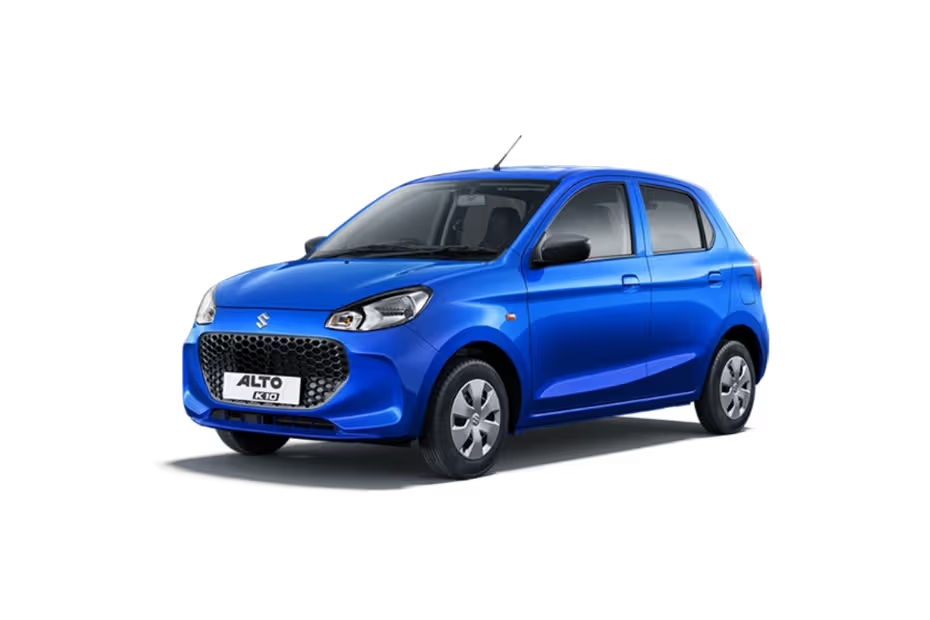
| Maruti Alto K10 | ₹3.99 – 5.96 Lakh* | 1.0L petrol – 24 to 26 kmpl | Low running cost, compact size |
| Hyundai Grand i10 Nios | ₹5.92 – 8.56 Lakh* | 1.2L petrol – 18 to 21 kmpl | Refined engine, quality interiors |
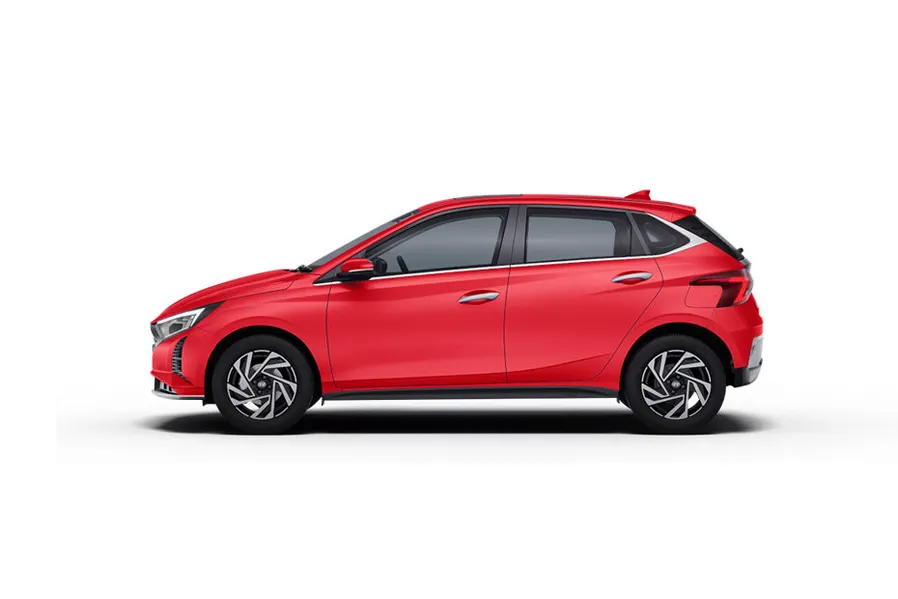
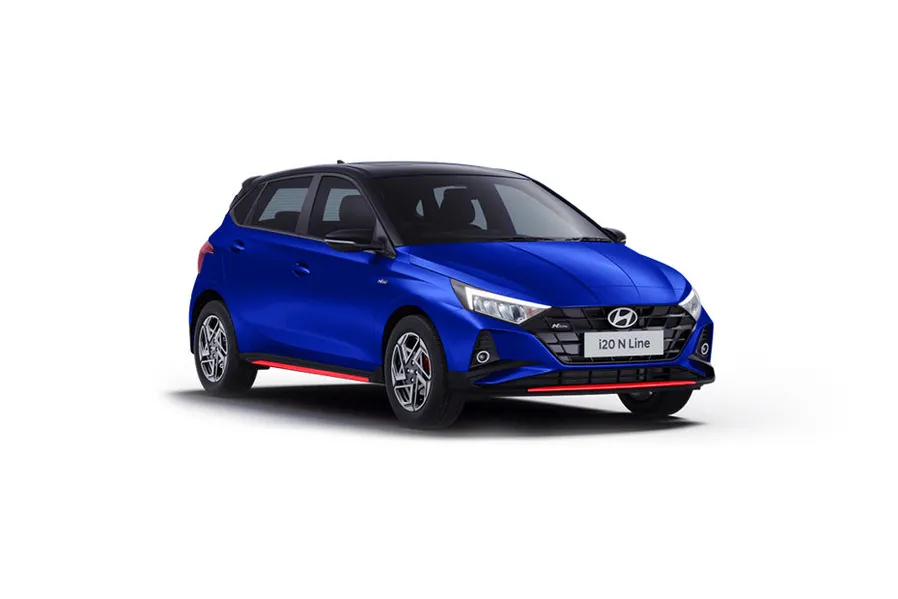
| Hyundai i20 | ₹7.04 – 11.21 Lakh* | 1.2L / turbo petrol – 17 to 20 kmpl | Premium feel, advanced features |
| Tata Tiago | ₹5.65 – 8.90 Lakh* | 1.2L petrol – 19 to 23 kmpl | Strong build, 4-star safety |
| Tata Altroz | ₹6.60 – 10.74 Lakh* | 1.2L petrol – 18 to 22 kmpl | 5-star safety, solid stability |
| Toyota Glanza | ₹6.86 – 10.00 Lakh* | 1.2L petrol – 19 to 22 kmpl | Toyota reliability, smooth drive |
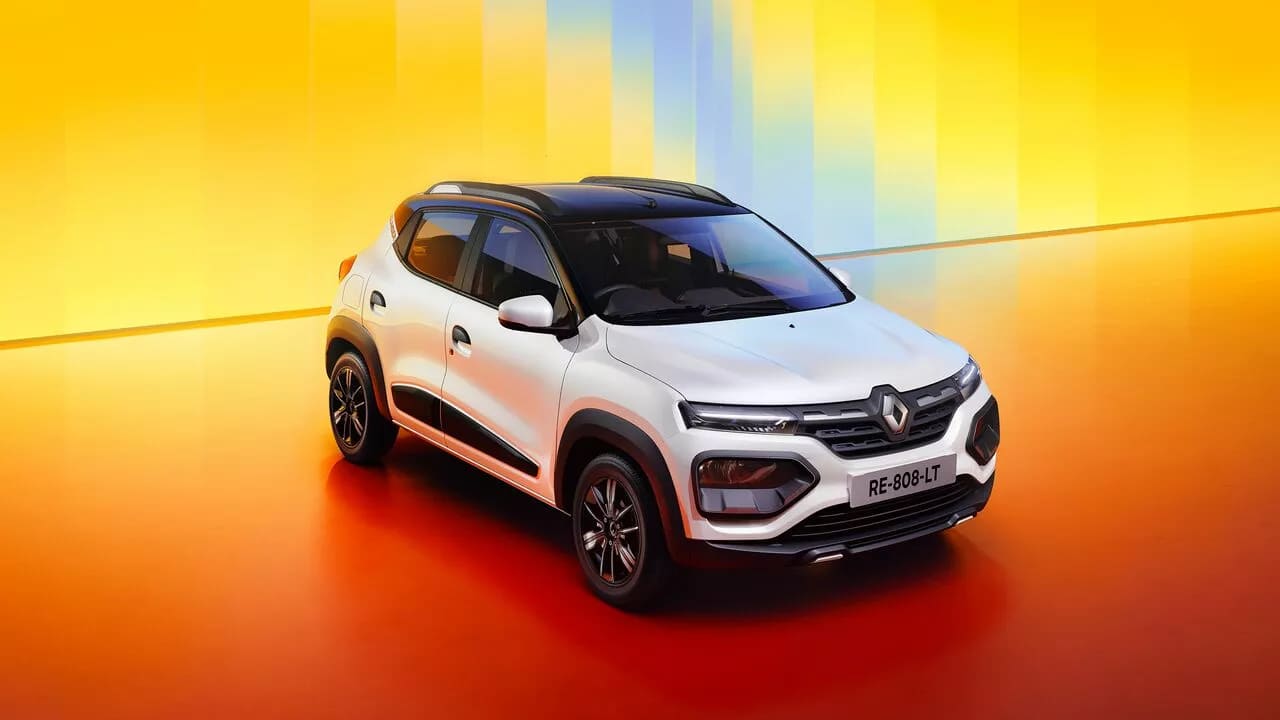
| Renault Kwid | ₹4.69 – 6.44 Lakh* | 1.0L petrol – 20 to 22 kmpl | Stylish design, budget friendly |
| Citroën C3 | ₹6.16 – 8.92 Lakh* | 1.2L turbo petrol – 18 to 20 kmpl | Comfortable ride, youthful appeal |
| Tata Tiago EV | ₹7.99 – 11.89 Lakh* | Electric – 230 to 315 km range (claimed) | Low running cost, city-focused EV |
*Prices and mileage figures are based on current official/ARAI data and may vary by variant, location and driving conditions.
Always confirm final details with the dealership or brand website before purchasing.
Important Things to Know Before Buying a hatchback Car
Hatchbacks are loved for their simplicity, but choosing the right one still needs careful thinking. Brochures focus on features, screens and discounts — while real ownership depends on comfort, running cost, safety and how well the car fits into everyday life. If you judge a hatchback only by price, you may miss important details that quietly affect long-term satisfaction. The points below help you look at hatchbacks the way experienced owners do — practical, calm and without surprises later.
Safety Isn’t Just About Two Airbags
Many hatchbacks now come with standard airbags, but real safety goes beyond that. Check whether the car has a strong crash rating, stable highway behavior, ABS with EBD, and proper child-seat anchors. Features like rear parking sensors, stability control and good headlamp visibility make daily driving far safer than another cosmetic upgrade. If you ever have to choose between a gadget and a safety feature — always prioritise safety.
Small Size Doesn’t Always Mean “Basic”
A lot of buyers assume hatchbacks are only starter cars. In reality, modern models offer touchscreen systems, rear cameras, better seats and connected features — without losing practicality. Instead of chasing the biggest car your budget can stretch to, choose the hatchback that feels comfortable, well-built and easy to manage every day. Often, a well-equipped hatchback is more satisfying than a bigger car with compromises.
Think About Where You Will Drive Most
If your routine includes narrow lanes, crowded parking areas and stop-start traffic, a compact hatchback saves time and stress. If you regularly travel on highways, choose a model known for stability and stronger brakes. Matching the car to your routes usually matters more than choosing the longest feature list — because you feel the difference every single day.
Running Costs Add Up Over Time
Hatchbacks are generally affordable to maintain, but costs still differ from one brand to another. Service intervals, spare part prices, tyre size and insurance premiums quietly shape your yearly expense. Before booking, check the approximate service cost for three to five years — most manufacturers publish it — so you’re not surprised later.
New vs Used — Be Practical, Not Emotional
A well-priced used hatchback can make sense for learners or budget-focused buyers, provided it has genuine service history and no major accidents. But buying only because it is “cheap” can lead to repair bills that cancel the savings. If you choose pre-owned, get the car inspected, verify mileage authenticity and avoid heavily modified vehicles.
Test Drive Like You’ll Actually Use the Car
Don’t just drive around the dealership. Take the car over bumps, slow traffic, a small open stretch and an incline if possible. Notice seat support, clutch or automatic response, rear visibility and how confident you feel while braking. A hatchback that feels natural and stress-free during the test drive usually remains easy to live with in the long run.