 +91-9646339590



Home » BMW X5 vs Audi Q7
BMW X5 xDrive30d vs Audi Q7 45 TDI (Diesel Comparison)
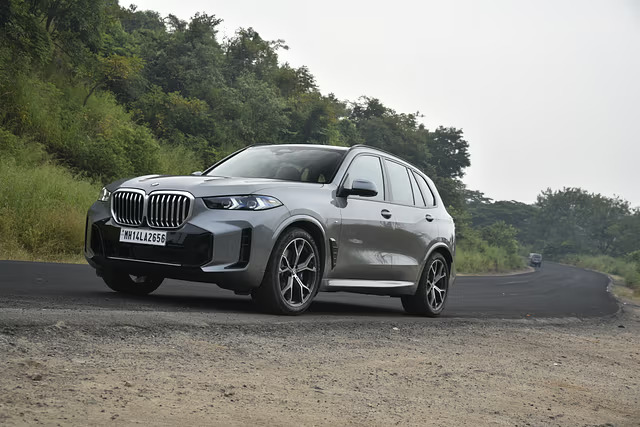
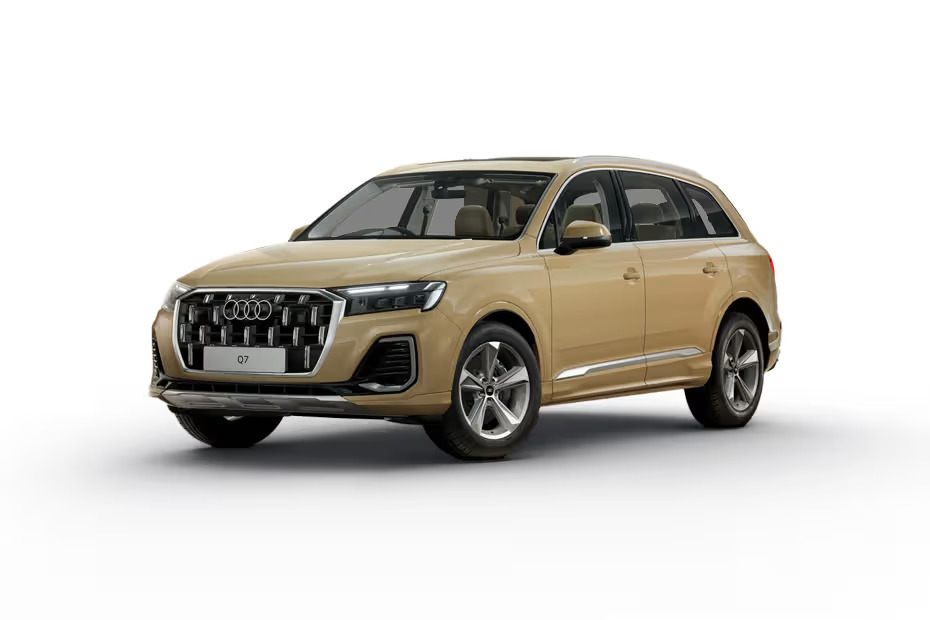
BMW X5 xDrive30d vs Audi Q7 45 TDI (Diesel Comparison)
The comparison between the BMW X5 xDrive30d and the Audi Q7 45 TDI is aimed at buyers who are already set on owning a premium diesel SUV but are unsure which one fits their lifestyle better. Both sit at the top of their respective brand line-ups and promise luxury, performance, and long-distance comfort, yet they deliver these qualities in noticeably different ways. While the X5 feels more focused on the driver behind the wheel, the Q7 places greater emphasis on space, refinement, and effortless family travel.
Performance & Driving Experience
The BMW X5 xDrive30d stands out for its strong acceleration, precise steering, and confident handling, especially on highways and winding roads. It feels lighter on its feet than its size suggests and rewards drivers who enjoy being actively involved while driving. The Audi Q7 45 TDI, on the other hand, delivers a smoother and more relaxed driving experience. Its diesel engine prioritises refinement and steady torque delivery, making it extremely comfortable during long journeys and well suited for calm, stress-free cruising rather than spirited driving.
Comfort, Space & Cabin Feel
Inside, both SUVs offer premium materials and high-quality finishes, but the ambience differs. The X5’s cabin feels slightly more driver-oriented, with controls angled toward the driver and a sporty seating position. The Q7 offers a more open and airy cabin, with generous space for passengers and a calmer interior layout that feels ideal for families. Ride comfort in the Q7 is especially impressive over long distances, while the X5 balances comfort with a firmer, more controlled feel on the road.
Ownership & Everyday Usability
From an ownership perspective, both SUVs deliver strong brand value, advanced technology, and premium service experiences. The X5 may appeal more to buyers who enjoy driving regularly and want a sense of connection with the car, whereas the Q7 suits those who prioritise comfort, passenger space, and ease of use during daily commuting or family trips. Fuel efficiency and running costs are broadly comparable in real-world conditions, making the final decision less about numbers and more about driving preference.
Verdict – Which Luxury Diesel SUV Makes More Sense?
If you enjoy driving and want a luxury SUV that feels dynamic and engaging without compromising comfort, the BMW X5 xDrive30d is the better match. However, if your priorities include space, refinement, and relaxed long-distance comfort for family-oriented usage, the Audi Q7 45 TDI is likely to feel more satisfying over time. Both SUVs are excellent in their own right, and choosing between them ultimately depends on whether you value driving involvement or everyday luxury comfort more.
Frequently Asked Questions
Which is better for performance: BMW X5 xDrive30d or Audi Q7 45 TDI?
What are the key differences in interior features between the BMW X5 and Audi Q7?
Which SUV offers better fuel efficiency, the BMW X5 or Audi Q7?
How do the BMW X5 and Audi Q7 compare in terms of off-road capability?
Which SUV has better safety features: BMW X5 or Audi Q7?
Both the BMW X5 xDrive30d and Audi Q7 45 TDI come equipped with a comprehensive suite of advanced safety features, ensuring that both vehicles offer top-notch protection for drivers and passengers. The BMW X5 includes technologies like lane departure warning, active cruise control, and a collision mitigation system, making it a solid contender in terms of safety. The Audi Q7 is similarly equipped with a full range of driver-assistance systems, including Audi pre-sense, adaptive cruise control, and a surround-view camera system. While both vehicles excel in this area, the Audi Q7’s larger cabin and standard three-row seating also offer additional child safety features, which may be a deciding factor for families.
Which SUV offers more advanced technology, BMW X5 or Audi Q7?
Both the BMW X5 xDrive30d and Audi Q7 45 TDI are packed with cutting-edge technology, though their systems differ slightly in approach. The BMW X5 features the iDrive system with a large touchscreen, a heads-up display, and optional gesture controls for a more interactive experience. The Audi Q7, on the other hand, incorporates the MMI touch response system, which features dual touchscreens that provide seamless control of various vehicle functions. Both systems support Apple CarPlay and Android Auto, along with a range of connected services. However, the Audi Q7 offers a more futuristic, multi-screen approach to cabin tech, while the BMW X5 focuses more on intuitive and driver-friendly interfaces. Either option provides an excellent level of technological sophistication, depending on user preference.
BMW X5 xDrive30d vs Audi Q7 45 TDI (Diesel Comparison)
| Ownership Aspect | BMW X5 xDrive30d | Audi Q7 45 TDI |
|---|---|---|
| Overall Character | Feels sporty, confident and driver-centric | Feels calm, refined and comfort-focused |
| Driving Involvement | Steering feels sharper, encourages enthusiastic driving | Prioritises smoothness over excitement |
| Highway Behaviour | Stable and fast, feels planted at higher speeds | Extremely relaxed and effortless over long distances |
| Ride Comfort | Slightly firmer, but well controlled and premium | Softer and more absorbent, ideal for long journeys |
| Cabin Atmosphere | Sporty, driver-oriented layout | Spacious, airy and family-friendly ambience |
| Passenger Space | Comfortable, but slightly more driver-focused | More generous rear space and overall openness |
| Ease of Daily Use | Feels premium but demands driver attention | Very easy to live with, especially for families |
| Long-Term Comfort | Best for owners who enjoy driving themselves | Excellent for chauffeured or family-oriented use |
| Brand & Ownership Feel | Performance-led luxury experience | Understated, comfort-driven luxury experience |
| Best Suited For | Buyers who love driving and road feel | Buyers prioritising space, comfort and refinement |
Living with the BMW X5 xDrive30d feels rewarding if you enjoy being behind the wheel. It has a sense of control and responsiveness that makes even routine drives engaging. The Audi Q7 45 TDI, in contrast, feels like a luxury lounge on wheels — quieter, calmer, and more forgiving over long hours on the road. Neither SUV is objectively better, the difference lies in personality. One speaks to the driver, the other caters more to passengers and relaxed travel.