Home » Nissan
Why Nissan Cars Are Worth Considering Before You Choose
Before looking at individual Nissan models, it helps to understand what the brand does well overall. Nissan cars are generally built for people who want a smooth, stress-free driving experience rather than sharp performance or showy design. In daily use—city traffic, long commutes, or weekend drives—most Nissan models feel easy to handle, comfortable, and predictable, which is exactly what many buyers value.
Another strong point is ownership simplicity. Nissan focuses on practical features, decent fuel efficiency, and manageable maintenance, making its cars suitable for long-term use. If you prefer a vehicle that quietly does its job, stays dependable over the years, and doesn’t complicate ownership, Nissan’s lineup deserves a closer look before moving on to specific models.
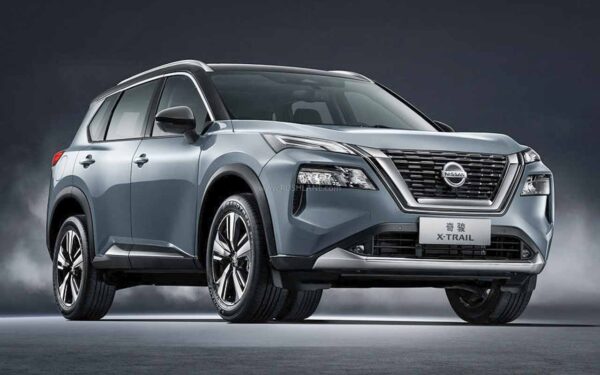
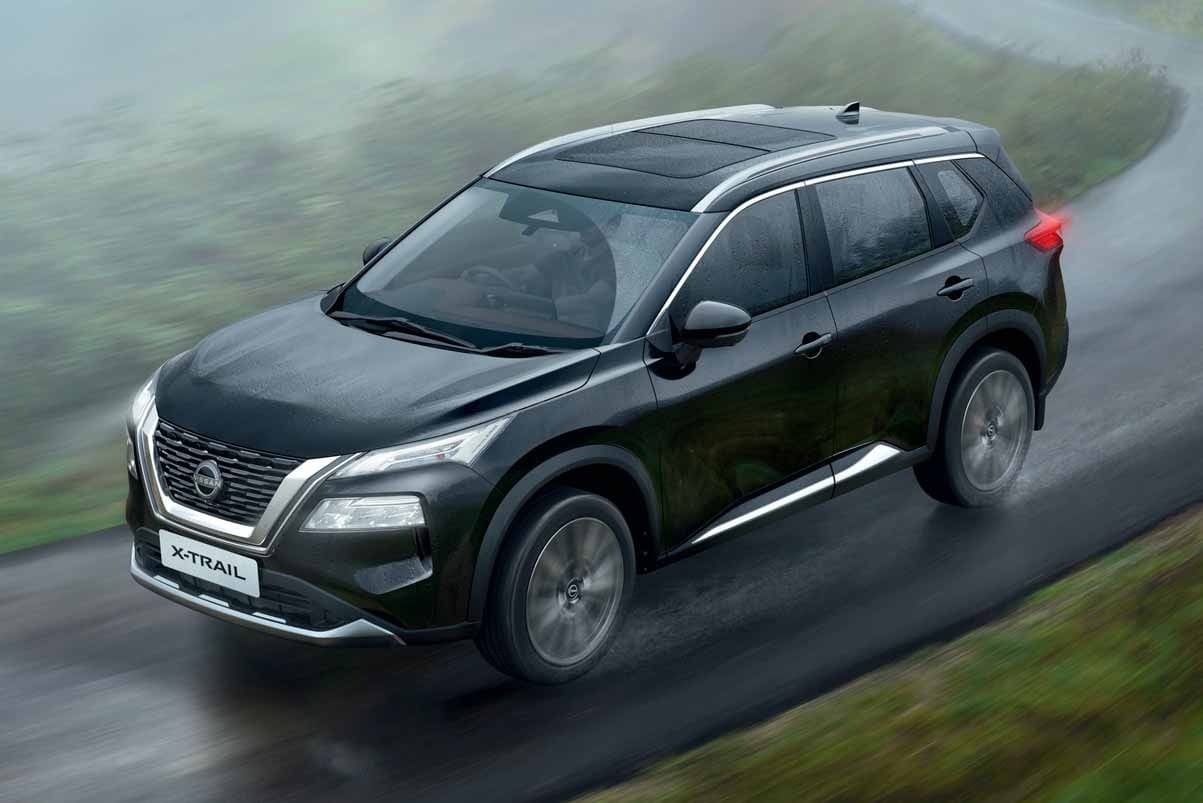
Nissan X-Trail – Engine Strength, Space, and Highway Comfort
Nissan Magnite – Mileage, City Driving, and Value for Money
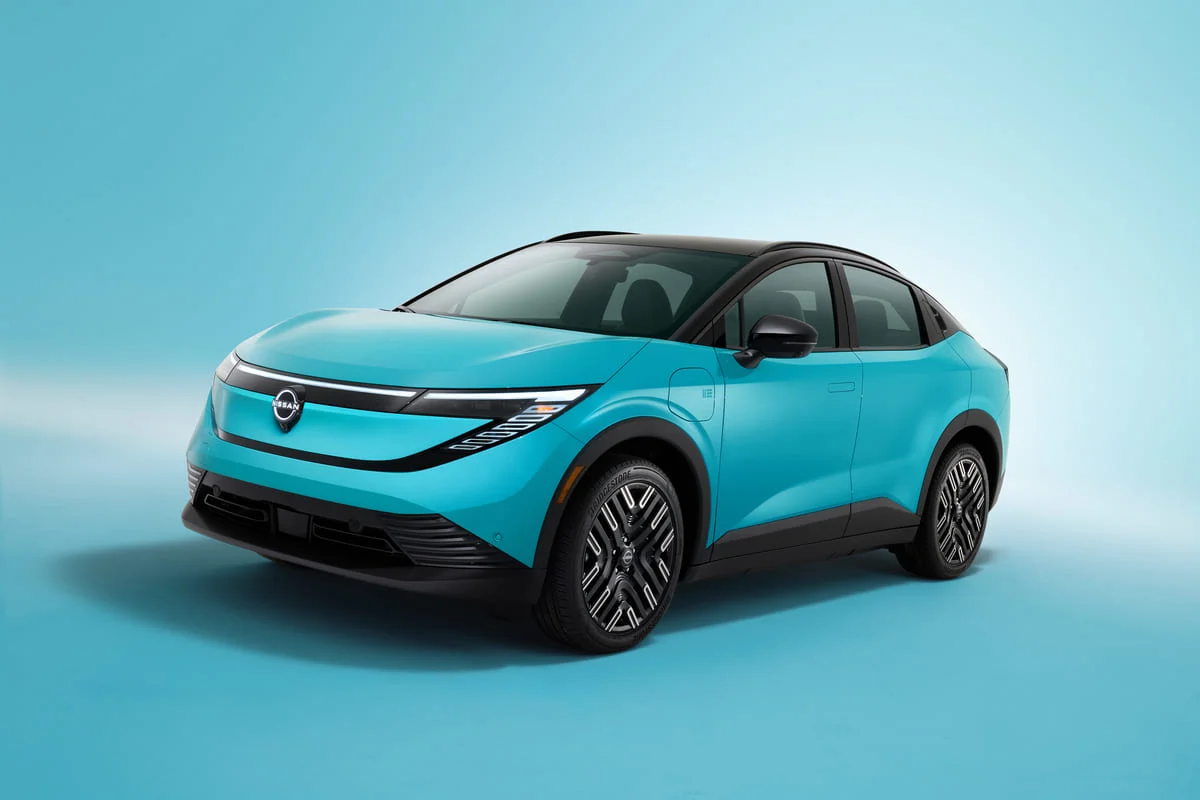
Nissan Leaf EV – Real-World Electric Driving Experience
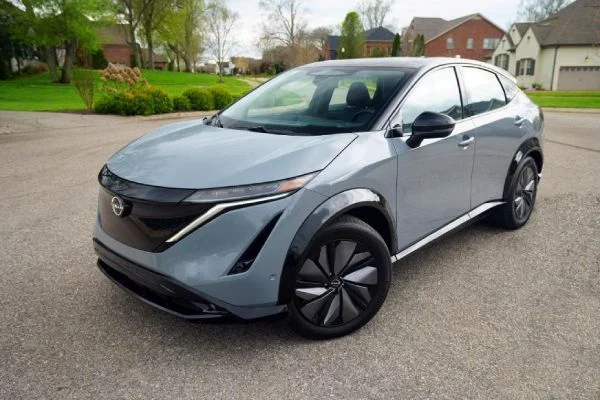
Nissan Ariya – What to Expect From the Upcoming Electric SUV
Things to Consider Before Buying a Nissan Car
Before choosing a Nissan, it’s important to think about how and where you’ll actually use the car. Nissan vehicles are generally tuned for relaxed driving, so if your daily routine involves heavy traffic, regular commutes, or family use, this driving style can feel comfortable and low-effort. However, buyers looking for sharp handling or sporty feedback may find the experience more laid-back than expected.
Another factor to consider is ownership planning. Nissan cars reward owners who follow regular service schedules and prefer straightforward maintenance rather than frequent upgrades or modifications. If you value predictable running costs, stable performance over time, and a car that fits into your lifestyle without constant attention, Nissan can be a sensible long-term choice.
Frequently Asked Questions Nissan Cars
How does the Nissan X-Trail’s fuel economy compare to the Toyota Fortuner Petrol?
The 2026 Nissan X-Trail, powered by its innovative 1.5L Variable Compression (VC) Turbo engine, delivers an impressive ARAI-certified mileage of 13.7 km/l. In comparison, the Toyota Fortuner Petrol (2.7L naturally aspirated) typically returns between 10.3 and 11 km/l. While the Fortuner remains the go-to choice for heavy-duty towing and rugged off-road performance due to its larger displacement, the X-Trail’s mild-hybrid integration and turbocharging technology offer a more fuel-efficient and refined experience for urban commuters and highway cruisers.
Is the Nissan Leaf EV practical for daily use in Indian cities?
Yes, the 2026 Nissan Leaf is highly practical for Indian metro conditions, especially with the introduction of its 52 kWh and 75 kWh liquid-cooled battery options. The 52 kWh variant offers a dependable real-world city range of approximately 320–330 km on a full charge, which is more than enough for a week of average urban commuting. Furthermore, the Leaf supports 150 kW DC fast charging (on higher trims), allowing the battery to jump from 10% to 80% in roughly 30 minutes, though a standard 50kW charger will achieve this in about 32 minutes—making it a viable primary vehicle for homes with dedicated charging points.
What specific safety features do Nissan cars offer in 2026?
Nissan has significantly elevated its safety standards across the 2026 lineup. The Nissan Magnite facelift now comes standard with 6 airbags, Electronic Stability Control (ESC), and Hill Start Assist across every variant, helping it secure a prestigious 5-star Global NCAP rating. For premium models like the X-Trail and Ariya, Nissan includes the ProPILOT Assist 2.1 suite. This advanced system utilizes a sophisticated array of radar and cameras to provide hands-free highway driving, autonomous lane changes, and 360-degree collision avoidance.
Should buyers wait for the Nissan Ariya or consider existing alternatives?
The Nissan Ariya is aimed at buyers seeking a premium, future-ready electric SUV that balances high-tech features with a “lounge-like” interior comfort. With its e-4ORCE all-wheel-drive system and haptic-feedback interface, it offers a more luxury-oriented drive than the entry-level Leaf. However, if you require a vehicle immediately, current alternatives like the Hyundai IONIQ 5 offer faster 800V charging architectures. Waiting for the Ariya is best suited for those who prioritize Nissan’s specific next-generation design language and refined ride quality over raw charging speed.
Automotive Highlights

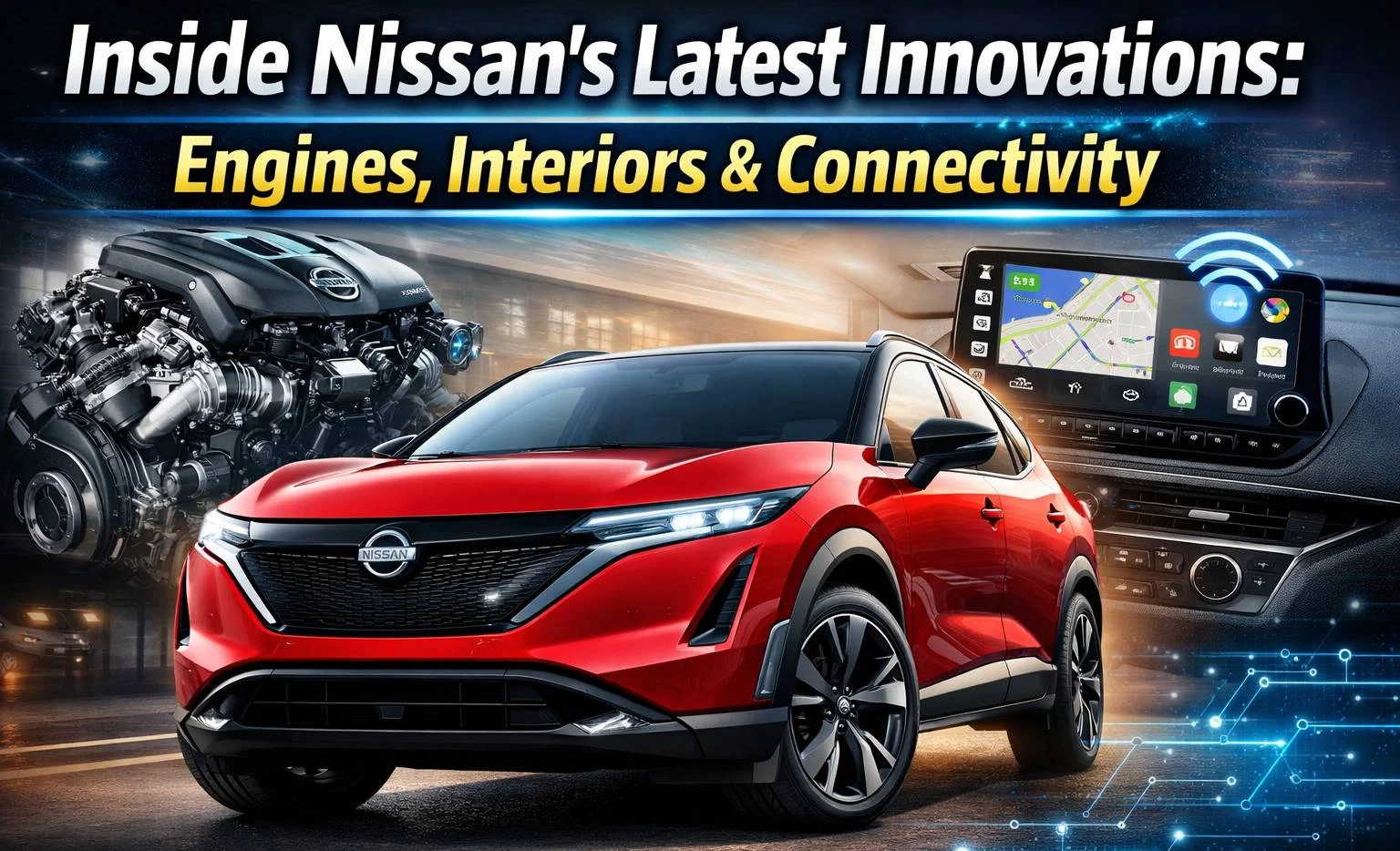
Inside Nissan’s Latest Innovations: Engines, Interiors, and Connectivity
As an automotive enthusiast tracking the 2026 model year, I’ve closely analyzed how Nissan is evolving its vehicles through smarter

Renault And Nissan Reset Alliance Structure To Support Future Growth
Renault and Nissan have officially reset the structure of their long-standing alliance, marking a significant step toward a more balanced

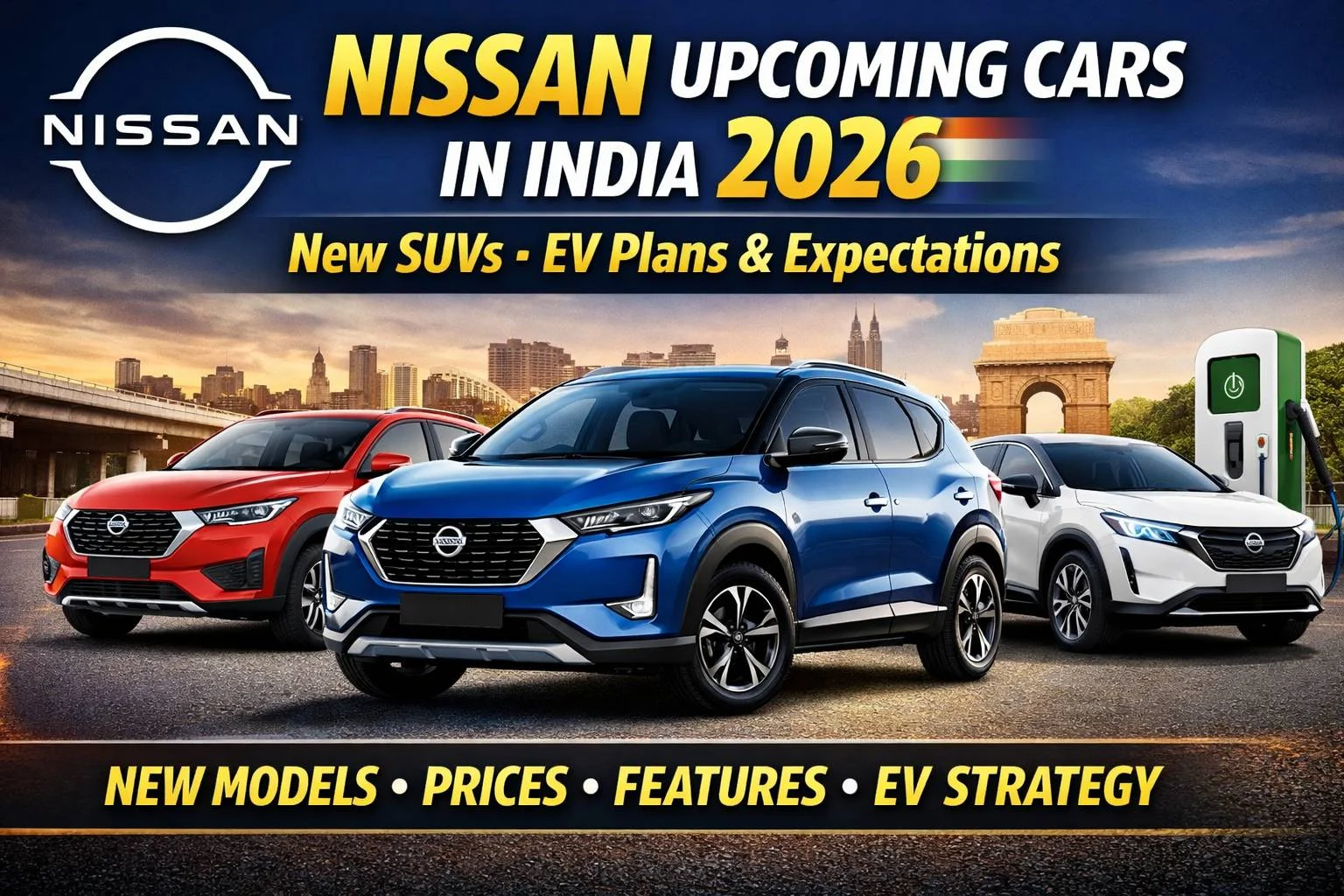
Nissan Upcoming Cars in India 2026: New SUVs, EV Plans & What Buyers Should Expect
Nissan Upcoming Cars in India 2026: New SUVs, EV Plans & What Buyers Should Expect Nissan’s future in India has