Maruti Suzuki Cars in India – Latest Prices & Model Overview

Maruti Suzuki India Limited remains the structural anchor of India’s passenger vehicle industry, shaping mass mobility for over four decades. In FY2023–24, India’s total passenger vehicle sales crossed approximately 4.2 million units, marking one of the strongest annual performances in the sector’s history. Within this scale-driven market, Maruti Suzuki retained leadership with an estimated market share of around 41–42%, translating into domestic sales exceeding 1.7 million units. This dominance is not accidental; it reflects a calibrated strategy built around cost engineering, supplier integration, fuel efficiency optimization, and nationwide service penetration. As consumer preferences shift toward SUVs and electrification gains policy momentum, Maruti Suzuki’s ability to balance affordability with regulatory compliance and product repositioning will define its next growth cycle.

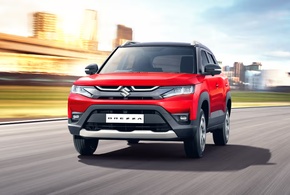
Maruti Brezza

Rs. 9.8 – 16.3 Lakh*

View Detail

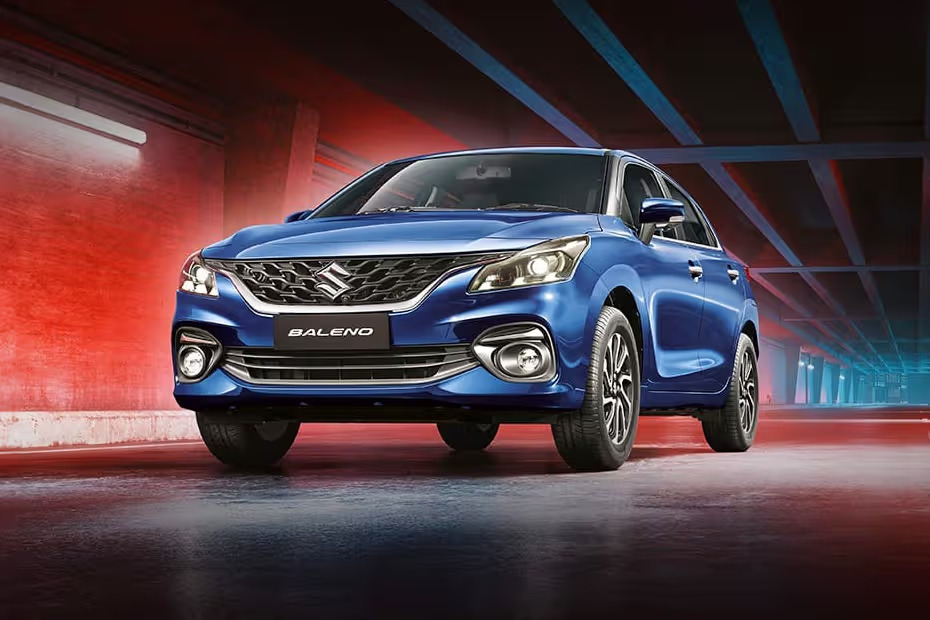
Maruti Suzuki Baleno

Rs. 6.70 – 9.92 Lakh*

View Detail

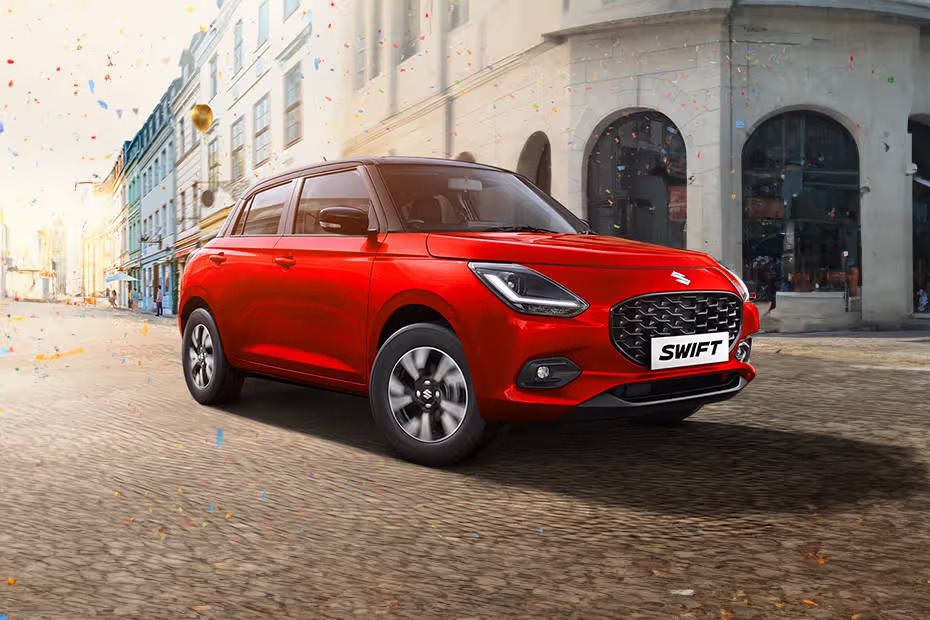
Maruti Swift

Rs. 6.49 – 9.64 Lakh*

View Detail

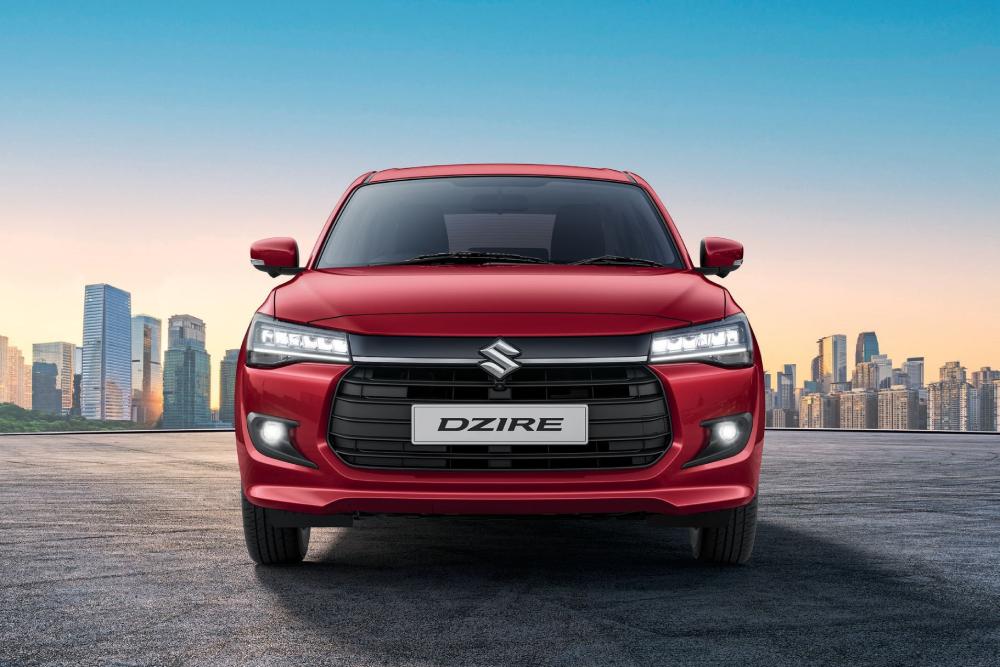
Maruti Suzuki Dzire

Rs.  6.84  –  10.19 Lakh*

View Detail

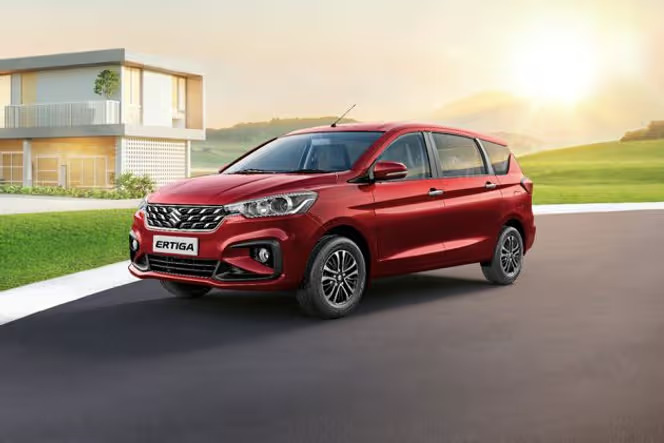
Maruti Ertiga

Rs. 8.97 – 13.26 Lakh*

View Detail

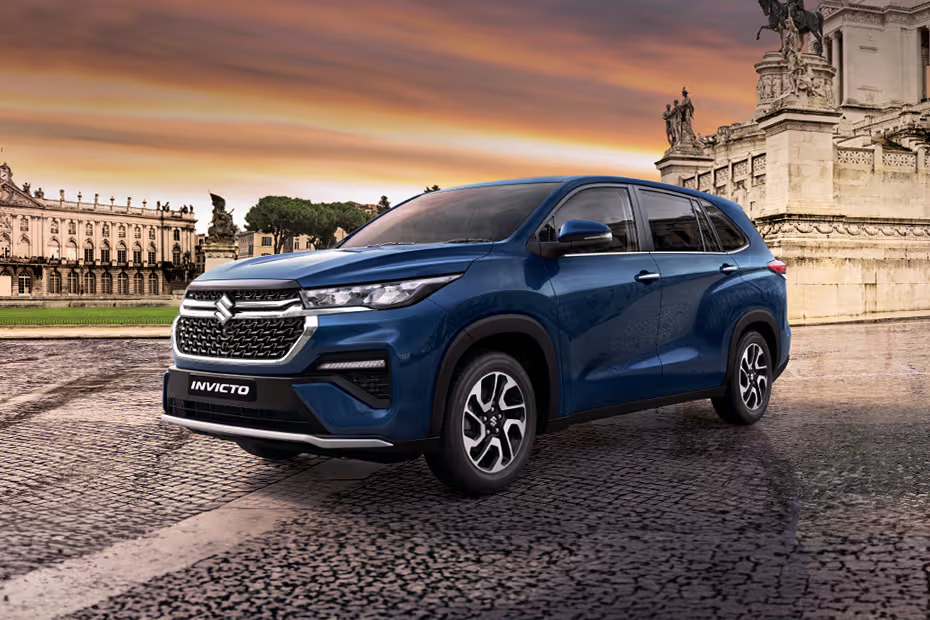
Maruti Invicto

Rs. 25.51 – 29.22 Lakh*

View Detail

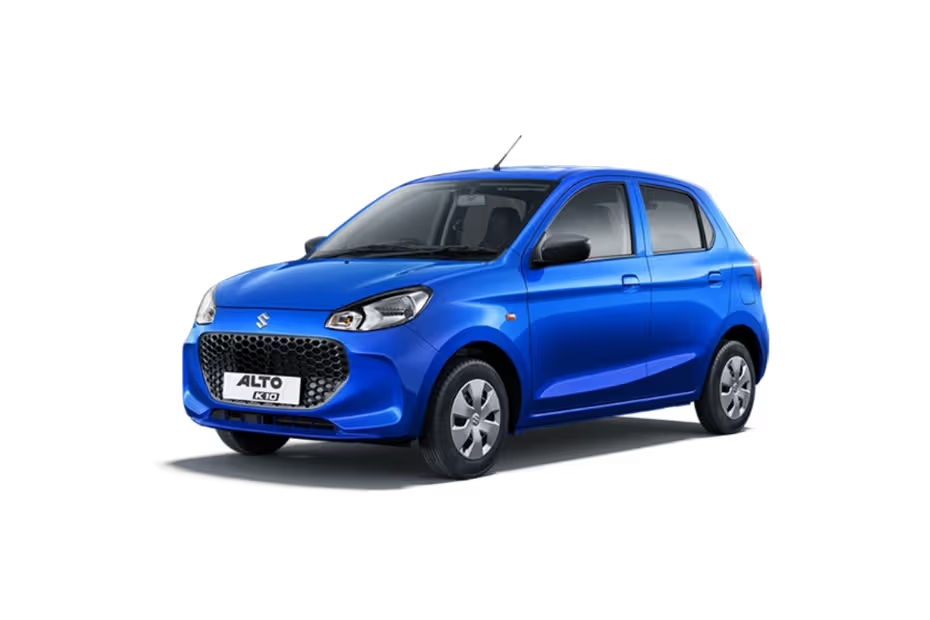
ALTO K10

Rs. 4.23 – 6.09 Lakh*

View Detail

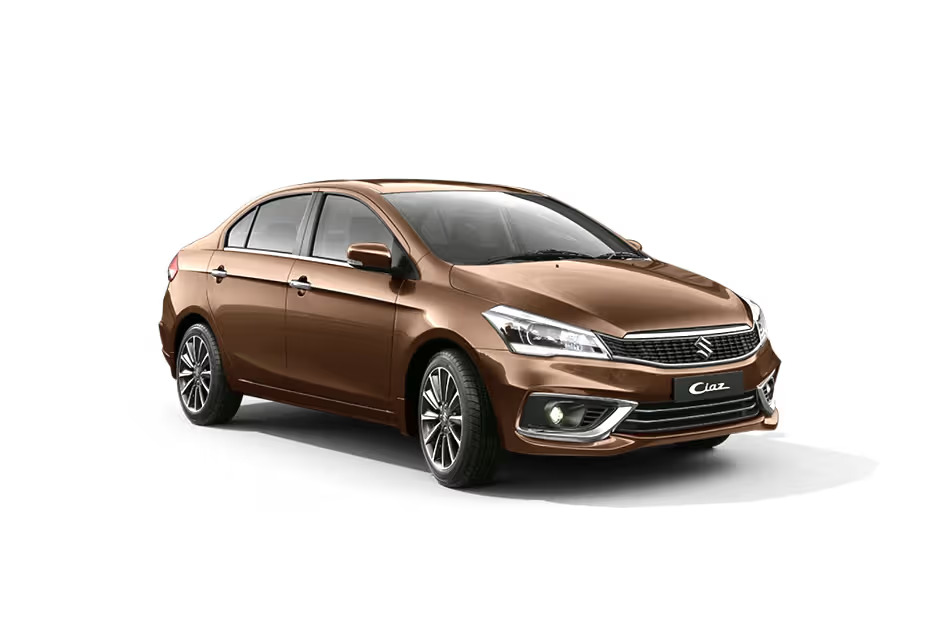
Maruti Suzuki Ciaz

Rs. 10.63 – 14.13 Lakh*

View Detail

Maruti Suzuki Jimny

Rs. 12.74 – 14.80 Lakh*

View Detail

Maruti Suzuki Nexa Ignis

Rs. 5.85 – 8.12 Lakh*

View Detail

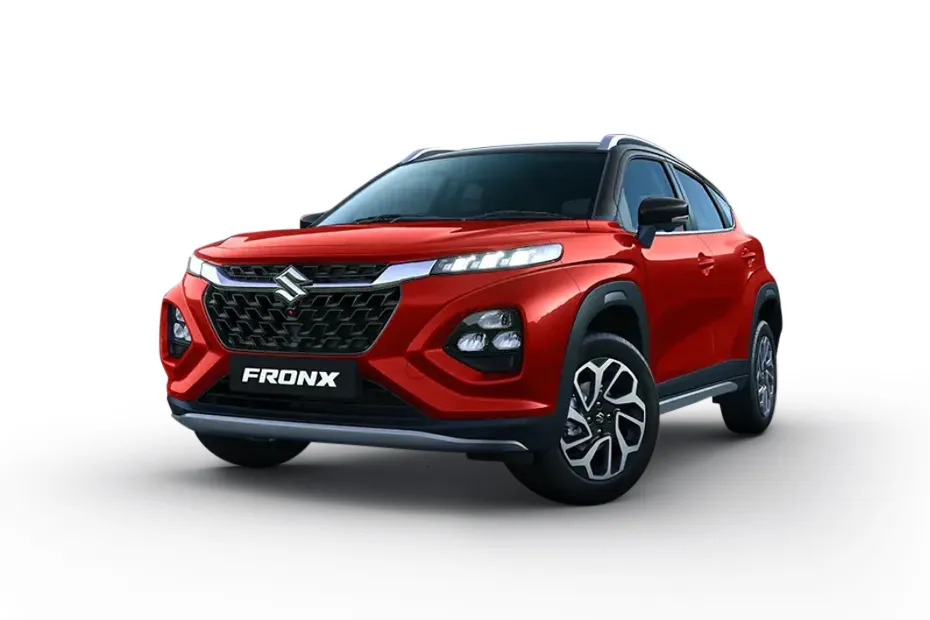
Suzuki Fronx

Rs. 7.54 – 13.04 Lakh*

View Detail

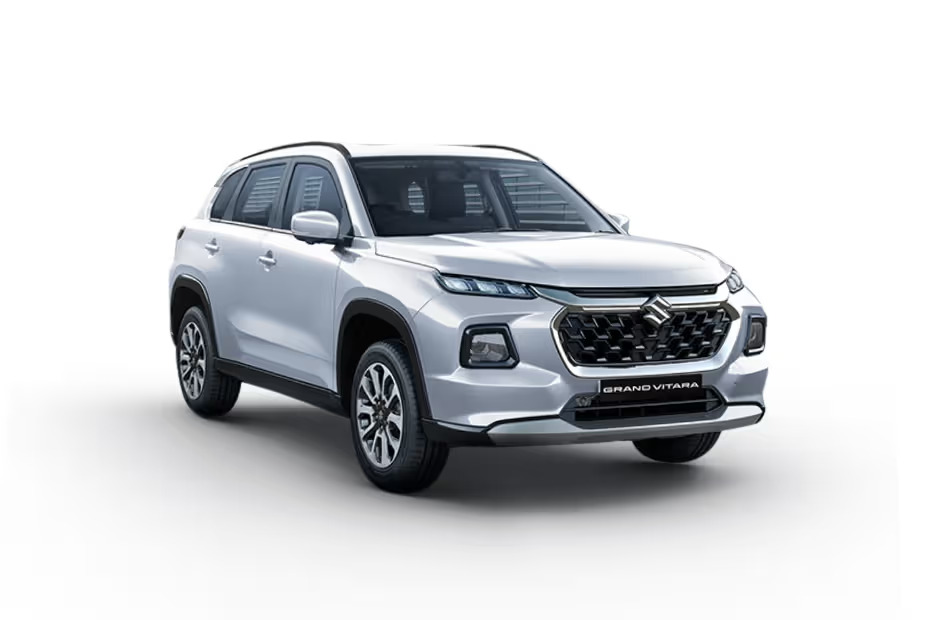
Maruti Suzuki Grand Vitara

Rs. 11.42 – 19.92 Lakh*

View Detail

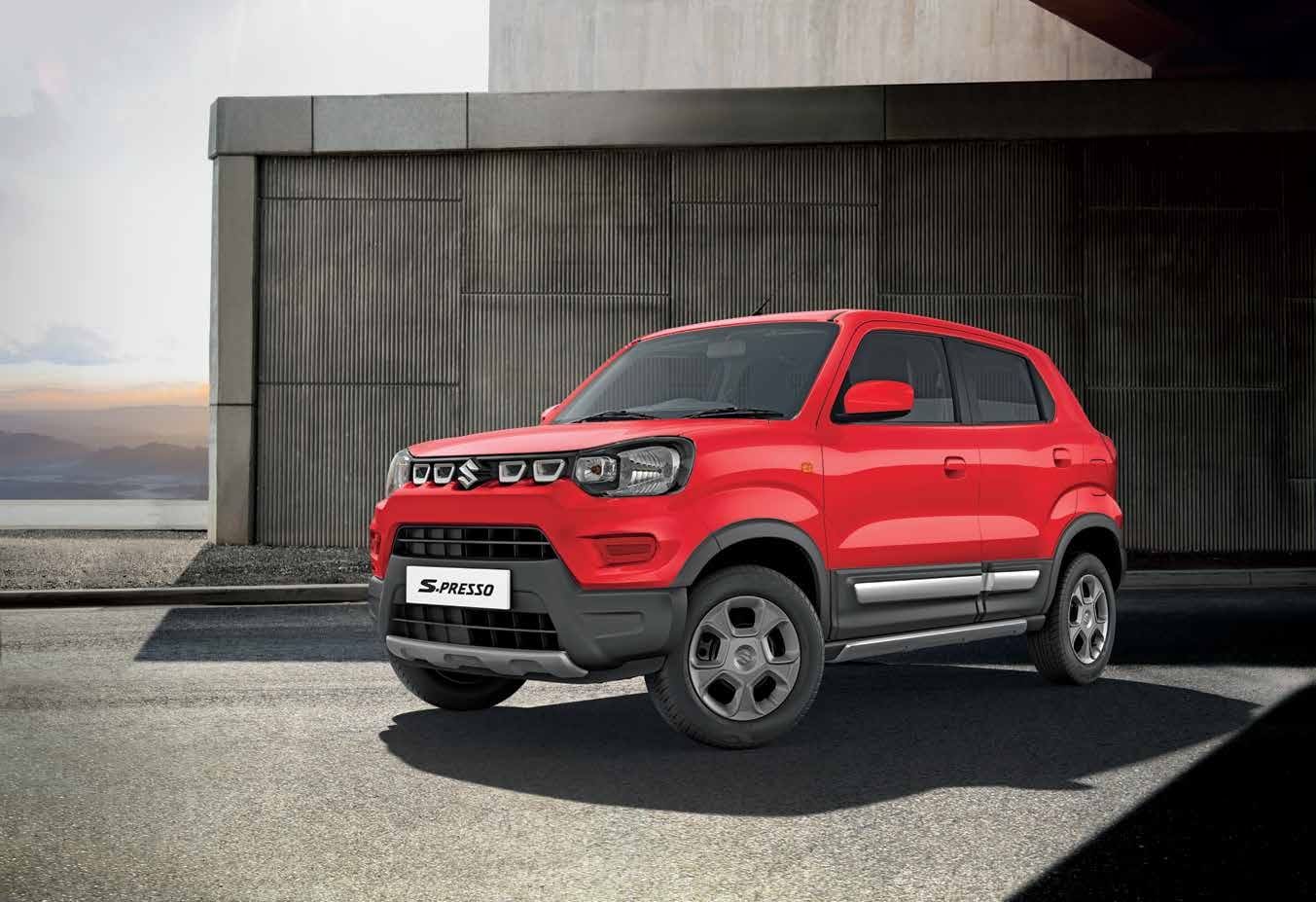
Maruti Suzuki S-Presso

Rs. 4.37 – 6.12 Lakh*

View Detail

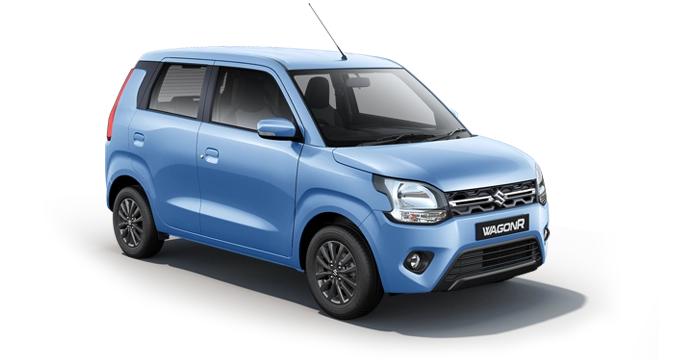
Maruti Suzuki Wagon R

Rs. 5.79 – 7.14 Lakh*

View Detail

Maruti Suzuki XL6

Rs. 11.61 – 14.23 Lakh*

View Detail

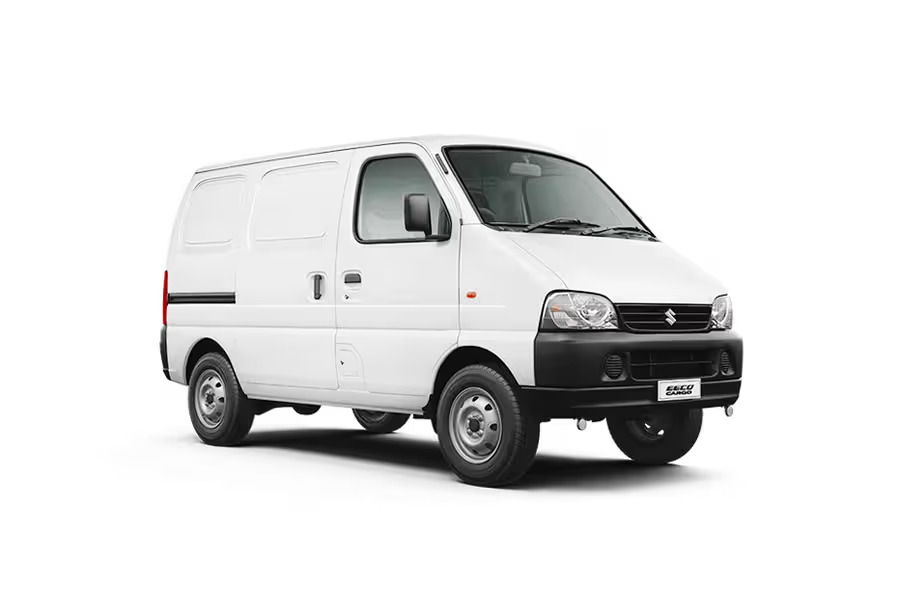
Maruti Suzuki Eeco Cargo

Rs. 5.84 – 7.02 Lakh*

View Detail
upcoming

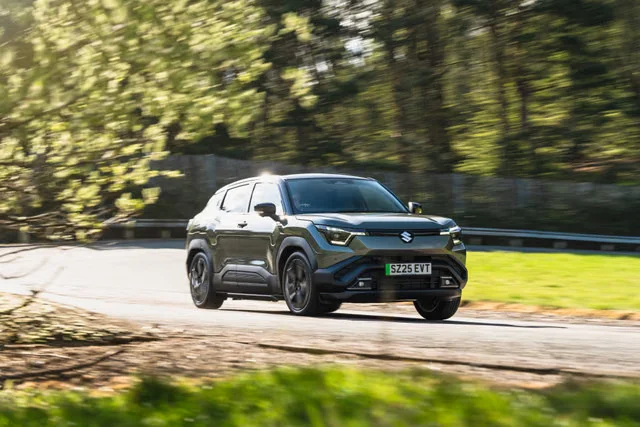
Maruti e VITARA

Rs. 17.00 – 22.50 Lakh*

View Detail
Prices mentioned are ex-showroom and may vary based on city, dealer, and variant. Please check with the authorized Maruti Suzuki dealership for the latest offers.

Manufacturing Scale and Operational Depth

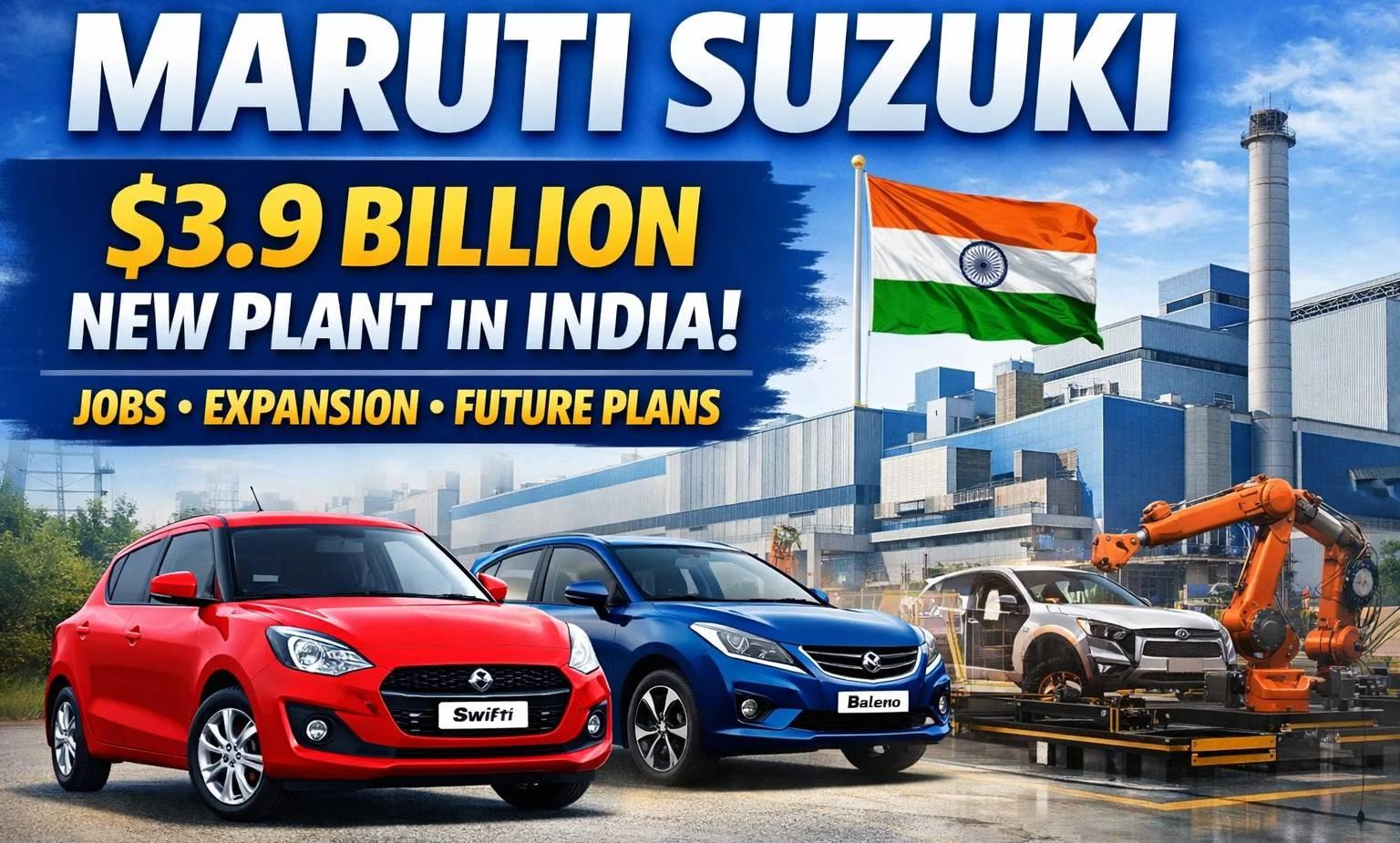
Maruti Suzuki operates one of the largest automotive production ecosystems in India, with manufacturing facilities in Haryana and Gujarat and an installed annual capacity exceeding 2 million units. This scale matters because high production volume directly lowers per-unit manufacturing costs through economies of scale, supplier bargaining power, and standardized platform architecture. The company’s vendor base includes hundreds of component manufacturers, many of whom have grown alongside it, reinforcing domestic value addition and reducing import dependence. Integrated stamping, welding, painting, and assembly operations enable tighter quality control and production flexibility. In a market where price sensitivity strongly influences buying decisions, manufacturing efficiency is not merely an operational metric — it is the foundation of competitive pricing discipline.

Market Share and Competitive Landscape

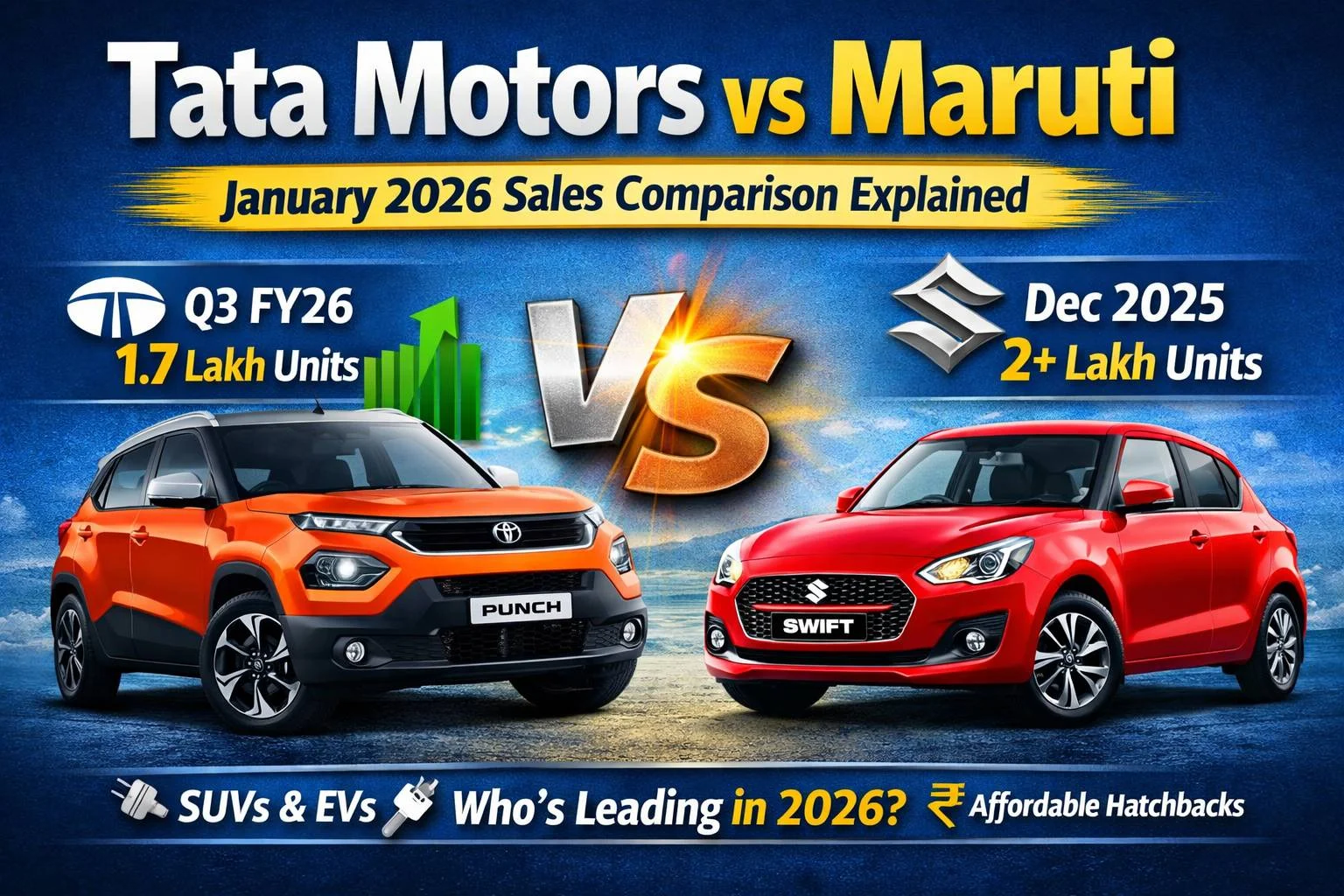
India’s passenger vehicle market in FY2023–24 reflected a structural tilt toward utility vehicles, with SUVs accounting for more than 50% of total industry volumes. Despite this shift, Maruti Suzuki maintained leadership through portfolio diversification beyond traditional hatchbacks. The competitive landscape is increasingly multi-polar, with manufacturers strengthening their SUV and EV presence. The table below outlines estimated market positioning among leading OEMs during the fiscal year.

ManufacturerEstimated Market Share (%)Core Segment StrengthEV PresencePrimary Price Band Coverage
Maruti Suzuki India Limited~41.7%Hatchbacks, Compact SUVs, CNG PortfolioEarly-stage (EV rollout initiated)₹4 lakh – ₹25 lakh
Hyundai Motor India~14–15%Premium Hatchbacks, Mid-size SUVsLimited EV portfolio₹5 lakh – ₹25 lakh
Tata Motors (Passenger Vehicles)~13–14%Compact SUVs, Safety PositioningStrong EV penetration₹6 lakh – ₹20 lakh
Mahindra & Mahindra~10–11%Utility Vehicles, Body-on-Frame SUVsExpanding EV pipeline₹8 lakh – ₹30 lakh

Maruti Suzuki’s sustained leadership stems from its ability to retain dominance in entry-level and compact segments while gradually increasing its SUV contribution. Unlike competitors relying heavily on premium pricing or niche positioning, Maruti’s volume-led strategy ensures broader demographic reach. However, rising safety expectations and feature-driven competition continue to influence brand perception dynamics across urban buyers.

Product Strategy and Fuel Technology Direction

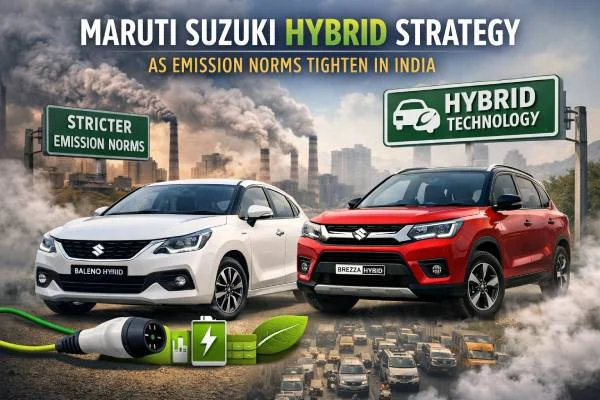
The company’s product architecture reflects a dual approach: defend entry-level and compact categories while expanding presence in high-growth SUV segments. Hatchbacks and compact cars continue to serve first-time buyers and cost-conscious households, particularly in Tier 2 and Tier 3 markets. Simultaneously, compact and mid-size SUVs have become central to portfolio expansion as Indian consumers increasingly prioritize ground clearance, cabin space, and perceived robustness. Fuel efficiency remains a core engineering pillar; Maruti Suzuki maintains competitive ARAI-certified mileage figures across petrol variants and operates one of India’s largest factory-fitted CNG portfolios. CNG penetration is strategically important because it reduces running costs for high-mileage users and supports emission reduction objectives without immediate dependence on full electrification. Hybrid systems introduced in select models indicate a transitional strategy that balances regulatory compliance with infrastructure readiness.

Financial Scale, Ownership Economics, and Strategic Outlook

Maruti Suzuki’s annual revenues exceed ₹1 lakh crore, reflecting its high-volume domestic base and consistent export operations to over 100 international markets. Financial scale provides resilience against input cost volatility and currency fluctuations. From a consumer perspective, ownership economics remain a decisive advantage: widespread service infrastructure, predictable spare part pricing, and strong resale demand lower total cost of ownership over a five-year horizon. In India’s price-sensitive automotive ecosystem, this lifecycle affordability often outweighs feature intensity alone. However, structural challenges persist — including intensifying SUV competition, accelerated EV innovation by rivals, and tightening safety and emission regulations. The company’s long-term competitiveness will depend on localized EV manufacturing, deeper safety integration across price bands, and sustained cost optimization without eroding margins.

Things to Consider Before Buying a Maruti Suzuki Cars

Before buying a Maruti Suzuki car, it is important to clearly assess your usage pattern, budget limits, and long-term ownership expectations. Factors such as real-world fuel efficiency, safety features offered in the specific model, availability of service support in your area, and resale value should be weighed carefully. Buyers should also consider how the car will be used over the next few years—daily commuting, family travel, or occasional highway driving—to ensure the chosen model remains practical and cost-effective over time.

Frequently Asked Questions Maruti Suzuki Cars

How does Maruti Suzuki maintain its leadership position in India’s passenger vehicle market?

Maruti Suzuki sustains leadership primarily through scale efficiency and distribution depth rather than premium pricing. With annual domestic sales exceeding 1.7 million units in recent fiscal cycles and an estimated market share above 40%, the company benefits from production economies that reduce per-unit costs. Its nationwide sales and service network, extending across urban and semi-urban markets, supports higher customer retention and resale liquidity. In a price-sensitive market like India, this combination of affordability, reach, and lifecycle cost predictability reinforces structural dominance.

What role does fuel efficiency and CNG technology play in Maruti Suzuki’s strategy?

Fuel efficiency remains central to Maruti Suzuki’s competitive positioning because running costs significantly influence purchase decisions in India. The company operates one of the largest factory-fitted CNG portfolios in the country, which is strategically important in regions with developed gas infrastructure. CNG variants help lower per-kilometer operating costs and mitigate fuel price volatility, making them attractive for high-mileage users. This focus on cost-efficient mobility aligns with broader regulatory pressures on emissions while maintaining accessibility for mass-market buyers.

How financially resilient is Maruti Suzuki compared to other domestic automakers?

With annual revenues exceeding ₹1 lakh crore and consistent operating scale, Maruti Suzuki demonstrates strong financial resilience. High sales volumes allow better absorption of input cost fluctuations, including steel and semiconductor pricing cycles. Moreover, diversified revenue streams through exports to over 100 markets reduce reliance on a single demand cluster. Financial strength is critical during industry transitions—particularly electrification—where sustained capital expenditure is required without compromising pricing discipline.

How is Maruti Suzuki positioned in the ongoing shift toward SUVs and electrification?

The Indian passenger vehicle market has shifted decisively toward SUVs, which now account for more than half of total industry volumes. Maruti Suzuki has responded by expanding its compact and mid-size SUV portfolio while retaining hatchback leadership. On electrification, the company has adopted a calibrated approach, focusing initially on hybrid technologies and phased EV introduction. This strategy reflects infrastructure realities and cost considerations, prioritizing scalable adoption rather than early niche positioning.

What makes Maruti Suzuki’s ownership economics attractive in the long term?

Ownership economics remain a core differentiator. High production volumes lower spare part costs, while an extensive authorized service network reduces maintenance friction across geographies. Strong brand recall and used-car demand contribute to stable resale values, which significantly impact total cost of ownership over a five-year period. In India’s value-conscious automotive ecosystem, predictable servicing expenses and resale recovery often outweigh headline feature comparisons when buyers evaluate long-term affordability.

Automotive Highlights

Scroll to Top