Home » MG Hector Petrol vs Tata Harrier Diesel
MG Hector Petrol vs Tata Harrier Diesel – Features, Performance, Mileage & SUV Comparison
MG Hector Petrol vs Tata Harrier Diesel – (Comparison)
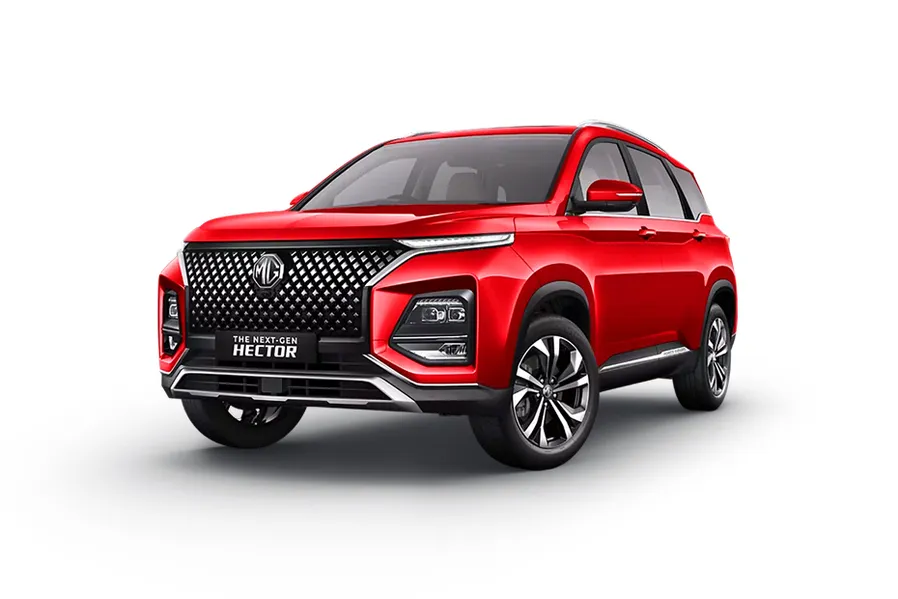
The comparison between the petrol-powered MG Hector and the diesel-driven Tata Harrier highlights two SUVs built with very different priorities despite competing in the same segment. One focuses on space, features, and everyday comfort, while the other is engineered for long-distance strength and a more traditional SUV driving feel. For buyers confused between petrol convenience and diesel durability, this comparison helps clarify which approach fits their real-world usage better.
Driving Behaviour & Power Delivery
In city conditions, the MG Hector’s petrol engine feels smoother and quieter, making stop-and-go traffic less tiring and daily commuting more comfortable. Its power delivery is relaxed rather than aggressive, which suits buyers who prefer calm driving. The Tata Harrier’s diesel engine, by contrast, feels more muscular once on the move, offering stronger pull at highway speeds and better confidence during overtakes. Buyers who enjoy steady cruising and torque-rich performance will naturally lean toward the Harrier.
Comfort, Space & Cabin Experience
Inside the cabin, the MG Hector clearly prioritises space and technology, with a wide, airy interior that feels designed for family comfort and feature-conscious buyers. The Harrier offers a more driver-focused layout with a solid, planted feel that matches its road behaviour. While both cabins feel premium, the Hector feels more lounge-like, whereas the Harrier feels more purposeful and robust.
Verdict – Which SUV Makes More Sense?
If your driving is mostly within the city, you value comfort, features, and a smoother petrol experience, the MG Hector fits that lifestyle well. However, if your usage includes frequent highway trips, long distances, or you prefer the assurance of a diesel engine, the Tata Harrier will feel more satisfying over time. Ultimately, the choice depends less on size or price and more on whether you prioritise urban comfort or long-haul confidence in your SUV.
Frequently Asked Questions
Which SUV is better for daily city driving – MG Hector Petrol or Tata Harrier Diesel?
For city usage, the petrol engine and lighter steering of MG Hector make it more comfortable in traffic. The diesel-powered Harrier feels heavier and is better suited to open roads rather than stop-and-go driving.
Which SUV offers stronger performance on highways?
The diesel engine of Tata Harrier delivers higher torque and better high-speed stability, making it more confident during overtakes. Hector petrol performs smoothly but lacks the diesel punch for aggressive highway driving.
Which SUV gives better mileage and lower running cost?
The Harrier diesel offers better fuel efficiency and is more economical for long-term and high-distance users. MG Hector petrol has slightly higher fuel costs but suits buyers with lower annual running.
Which SUV is more feature-loaded and tech-focused?
How do MG Hector and Tata Harrier compare on safety?
Both SUVs come with multiple airbags and modern safety features, but Tata Harrier holds an advantage with its Global NCAP crash rating. Hector offers advanced ADAS features that enhance active safety.
Which SUV should you buy in 2026?
Choose MG Hector if you want a comfortable, feature-rich petrol SUV for city and family use. Opt for Tata Harrier if your priority is diesel power, highway performance, and a tougher SUV character.
Petrol vs Diesel: What Actually Changes in Real-World Driving?
| Usage Aspect | MG Hector (Petrol) | Tata Harrier (Diesel) |
|---|---|---|
| City Driving Feel | Smoother, quieter and more relaxed in traffic | Heavier feel, but stable once moving |
| Highway Behaviour | Comfortable cruising, prefers steady speeds | Strong pull and confidence during long-distance travel |
| Overtaking Style | Needs planning and gentle throttle input | Effortless overtakes thanks to diesel torque |
| Noise & Refinement | Quieter cabin, especially at low speeds | Audible diesel note, settles on highways |
| Fuel Usage Pattern | Higher fuel use in traffic-heavy conditions | More efficient on long highway runs |
| Driving Fatigue | Less tiring for short daily commutes | More comfortable for extended journeys |
| Ownership Preference | Suited for urban, comfort-focused users | Better for frequent travellers and highway users |
| Who It Makes Sense For | Buyers prioritising comfort and features | Buyers valuing torque, touring ability and stability |